Category:

Medical News

There’s no ambiguity about who Vyleesi is for. The prescription drug, commonly referred to as female Viagra, boosts the libido of women experiencing hypoactive-sexual-desire disorder, a condition in which lack of interest in sex causes distress. When Vyleesi was approved in 2019, an FDA official announced that it was evidence of the agency’s “commitment to protect and advance the health of women.”

But since then, female Viagra seems to have found an unexpected market: men. On the Reddit forum SexOnDrugs—which chronicles, you guessed it, people’s sexual escapades while on various prescription and illicit drugs—guys talk about taking the drug even if they have no apparent issues with sexual drive or performance. “Everything feels richer,” noted one man, who compared taking the drug to adding butter to food. Another claimed that he’d had sex with his wife “about 30 times over 20 hours.” (The drug, however, does frequently make people queasy: “The nausea hit me so hard that sex wasn’t even a thought,” another man reported.)

Vyleesi has never been approved for men. Some clinics advertise that they’ll prescribe the drug to men off-label, but even that is often not necessary for men to get ahold of it. Vyleesi is now readily available without a prescription. Many online retailers sell vials of the drug under the guise that they are for “research use only” and not for human consumption—a disclaimer that technically makes the drugs legal.

Americans are relying on this technicality to get hold of all kinds of drugs—some that, like Vyleesi, are supposed to require a prescription and others that aren’t even approved in the United States at all. Athletes are taking a banned horse-racing drug to speed up their recovery. Beauty influencers are shooting something known as the “Barbie drug” up their nose to get a better tan. My colleague Sarah Zhang recently described the process of buying retatrutide, an unapproved obesity drug, as “just like ordering socks.”

[Read: I bought ‘GLP-3’]

Not all experimentation requires scouring the gray market. Online pharmacies staffed by licensed doctors now regularly prescribe “personalized” medications that include an FDA-approved medication paired with additional experimental additives. One company, BlueChew, sells an erectile-dysfunction pill that contains the active ingredients in Viagra and Cialis, in addition to other chemicals that the company claims improve sex. These products are made by compounding pharmacies, which are not regulated by the FDA for safety, quality, or efficacy.

Taking experimental drugs is nothing new. Sigmund Freud frequently used cocaine to treat his depression; athletes have doped for decades; biohackers have long taken pills in hopes of becoming more efficient at work. What is new, however, is the scale, accessibility, and uptake of faddish pharmaceuticals. Now everyone is a biohacker—or at least anyone can be.


Few experimental drugs have become as popular as peptides—a class of compounds that mimic existing hormones in the body. Peptides have developed a cult following among fitness enthusiasts, looks-maxxers, and Silicon Valley types, who believe that the drugs can boost muscle gain, increase focus, and lead to better skin. On a recent episode of his podcast, Joe Rogan urged Ben Affleck and Matt Damon to use the peptides BPC-157 and TB-500—commonly known as the “Wolverine stack”—to speed up recovery should they ever get injured.

The P in GLP-1 stands for peptide. The success of Ozempic and other FDA-approved drugs for weight loss and diabetes “opened a lot of eyes,” Dave Asprey, a longevity influencer who credits himself with starting the biohacking movement, told me. “People started asking what else is out there.” And there is, it turns out, a ton out there. One online vendor of unapproved peptides that are not intended for human consumption carries dozens of drugs on its website.

GLP-1s are also a big part of the reason Americans are now experimenting with unregulated drugs made by compounding pharmacies. Legally, these businesses are supposed to make custom versions of drugs for people who can’t take an FDA-approved drug, or when an FDA-approved drug is unavailable because of a shortage. Roughly a decade ago, entrepreneurs realized that they could use compounding pharmacies to make nominally customized versions of FDA-approved medicines and sell them to the masses via the internet. Hims pioneered the strategy, selling hair spray loaded with finasteride, an FDA-approved hair-loss drug previously available only in pill form. Now telehealth companies offer compounded drugs for sexual health, hair growth, skin care, and especially weight loss. Sales of these obesity-drug dupes have become an enormous business; both Hims and Ro ran Super Bowl ads touting their offerings.

[Read: GLP-1 envy was just the beginning]

Some of this might seem like a positive development for American medicine. In the cases of weight loss and erectile dysfunction, more patients are getting the care they want or need. I personally experimented with compounded GLP-1s because of the high cost of the real thing. But again, these drugs are not made with any government oversight. Consider Musely, a company that sells skin cream for dark spots. The cream contains three times the amount of the active ingredient hydroquinone, which is FDA-approved, that you’d get in the traditional version of the drug—despite the fact that regulators have warned that hydroquinone may cause skin discoloration. (Musely did not respond to a request for comment.)

Experimental drugs that lack any FDA-approved ingredients can be even more questionable. Although anecdotal evidence abounds about the benefits of the “Wolverine stack” and certain other peptides, most haven’t been researched enough to prove they actually work. “We don’t even know what’s in these bottles,” Christopher Robertson, a Boston University law professor who studies the FDA, told me.


The modern FDA exists to ensure that pharmaceuticals are safe. But the agency has failed to stop the boom of unregulated, potentially dangerous drugs. It has gone after some companies for selling research chemicals after determining that the drugs were, in fact, being sold for human consumption, but the agency is playing a game of whack-a-mole. Dozens of websites selling BPC-157 can be found via a quick Google search. Shutting down compounding pharmacies operating on the gray market would likely be even more difficult, and prompt protracted court battles.

It’s easy to take the FDA for granted. In the 1960s, thalidomide, a drug marketed for morning sickness, left children around the world with irreversible birth defects; the United States avoided such a fate thanks to the FDA’s oversight. Due to the thalidomide scare, America began to require drugs to be proved not only safe but also effective.

Robert F. Kennedy Jr., who oversees the FDA and other major health agencies as the secretary of Health and Human Services, knows this history. During his confirmation hearing, Kennedy name-checked Frances Oldham Kelsey, the FDA official who refused to approve thalidomide in the U.S., as an example of how scientists must follow the data and question science. Yet Kennedy seems poised to make it even easier for Americans to get certain unregulated drugs. On Rogan’s podcast late last month, Kennedy teased that he will soon act to make roughly a dozen peptides “more accessible,” in line with his penchant for medical freedom. He also revealed that he is a “big fan” of certain peptides and has used them himself to help with injuries. (An HHS spokesperson did not respond to a request for comment.)

Just as Americans’ appetite for experimental drugs reaches new heights, the FDA’s capacities to ensure the safety of America’s medicines seem to be diminishing.
At the turn of the 20th century, a sporty American woman would have had relatively few arenas to test her skill: croquet, maybe, or archery, or basketball played gently in an ankle-length skirt. Public displays of aggression were almost universally condemned, and colliding was especially unsavory. To avoid it, women’s-basketball competitions prohibited “snatching” the ball until the 1960s.

Although men’s and women’s sports generally follow the same fundamental objectives today—stealing the basketball is a smart tactic in anyone’s game—physical contact in women’s sports remains controversial. When Caitlin Clark and Angel Reese exchange elbows in the WNBA, outrage and concern inevitably follow. Meanwhile, NBA players sparring over the ball, or NHL players outright brawling, is typically treated as business as usual.

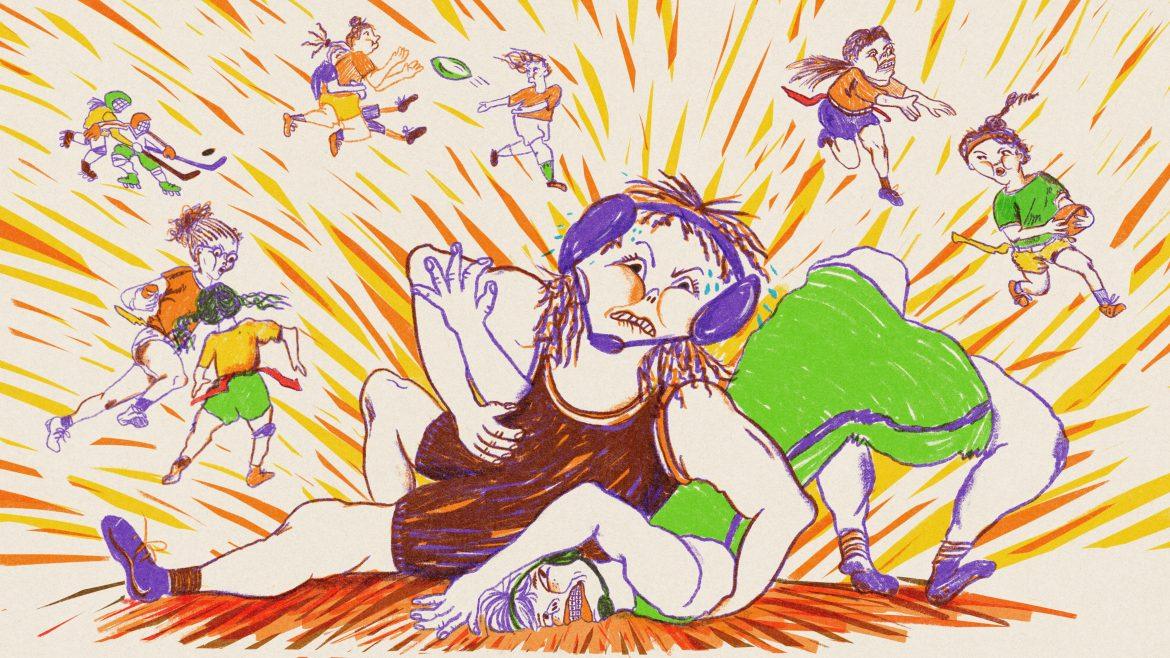
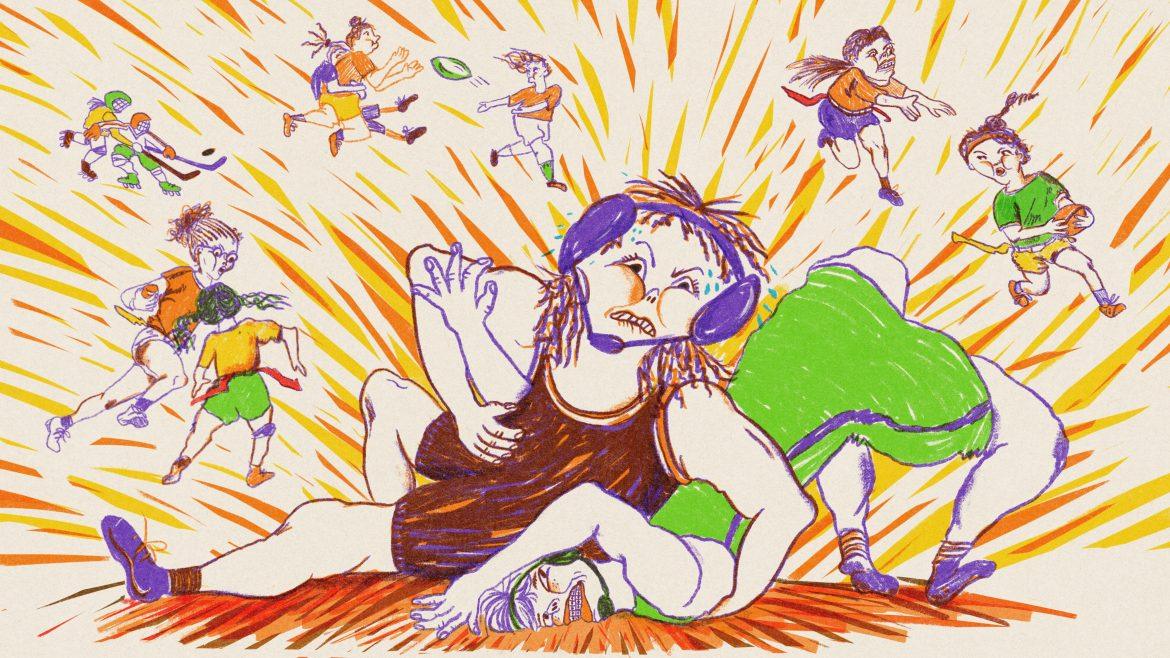
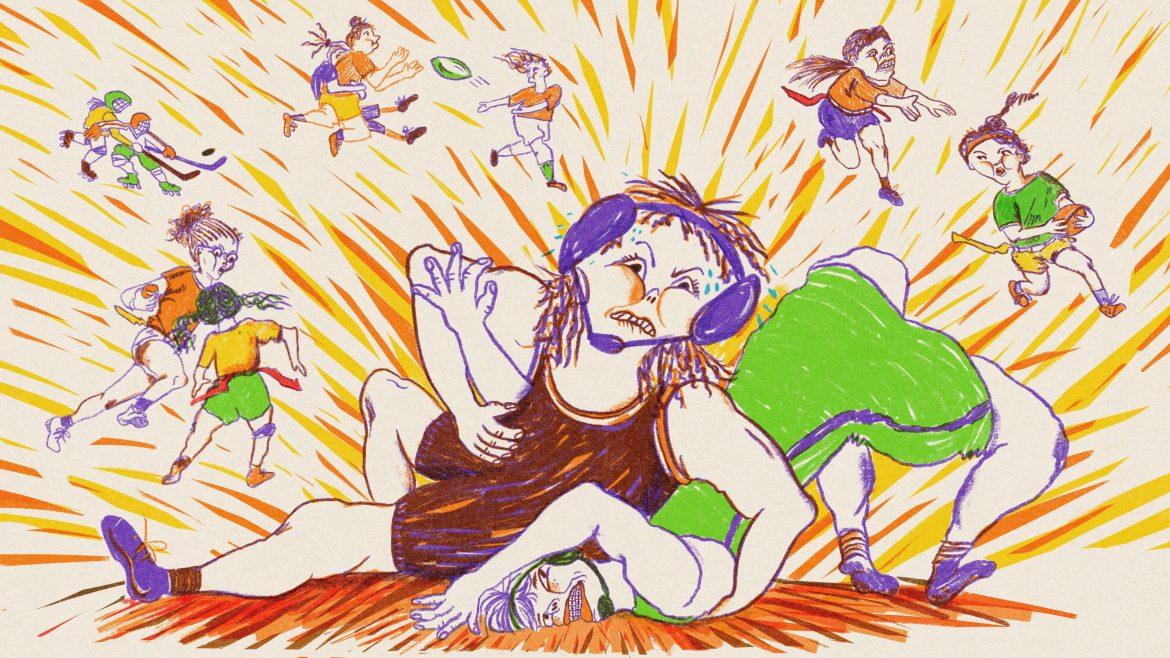
And yet, girls seem to be more interested than ever in contact. Ice hockey, rugby, and football (of the tackle, seven-on-seven, and flag varieties) are all among the fastest-growing sports for teenage girls. And at American high schools last academic year, more girls played on teams for wrestling than field hockey, gymnastics, or dance.

A high schooler today can join any number of sports teams, including, in some districts, rodeo or bass fishing. Basketball and soccer remain among the most-played girls’ team sports, and typically the first ones that girls play at a young age, Karissa Niehoff, the CEO of the National Federation of State High School Associations, told me. But by high school, not everyone can make the basketball or soccer team, and private leagues can be both competitive and expensive. That leaves a deep bench of untapped players for newer and less conventional sports—bass fishing, yes, but also roller hockey, flag football, and, for girls, sports that traditionally haven’t allowed them to play.

[Read: What’s lost when only rich kids play sports]

Girls’ participation in such sports is growing so quickly in part because it’s starting from a small denominator. But they also seem to offer girls something that traditional options don’t. Some are particularly welcoming to beginners: They take all comers, are relatively affordable, and consume less time than other popular sports. Flag-football games last about 40 minutes—half the time of a typical soccer game—and practice usually precedes the game, making scheduling relatively easy.

Many high-growth sports appeal to a rising cultural sense that women and girls can—and should—bulk up. Girls drop sports at twice the rate of boys, and nearly half cite body-image concerns for doing so. “Thin to win” narratives are still deeply embedded in certain sports, such as long-distance running and Nordic skiing, Nicole LaVoi, the director of the University of Minnesota’s Tucker Center for Research on Girls and Women in Sport, told me. In wrestling, too, competitors sometimes resort to unhealthy strategies to stay in a given weight class. But in flag football and rugby, this preoccupation is largely irrelevant. Flag is about agility; several players I spoke with lift weights to help them achieve faster, more explosive movement. A girl interested in playing football 10 years ago may have been teased for being too masculine, LaVoi said. But the popularity of girls’-football programs today suggests that Americans are more likely to accept that a middle-school girl can be a linebacker.

Flag football, which has seen particularly steep growth over the past five years among teen girls, is technically a noncontact sport, which is part of what makes it appeal to safety-conscious parents of both boys and girls; the NFL started promoting it heavily in the past decade, when youth participation in tackle football was declining amid concerns about concussions. But it is viscerally physical: Players dive for catches and tumble into one another as they pull flags. It’s notable that girls are seeking out this sort of play at a time when so much of adolescent socialization happens over screens. Research from the Women’s Sports Foundation shows that social connection and friendship are the main reasons girls play sports.

[Read: You’ll become a fan of these strange, fierce girls]

Evelyn, a 13-year-old linebacker on a flag-football team in Washington, D.C., told me that flag football’s culture is “nicer” than the culture of the softball, lacrosse, baseball, and swimming teams she’d previously joined and then left. When she joined the flag team, she had an easier time bonding with her teammates, she said. “When I make a good flag pull, my team immediately surrounds me—like I did something good. I did it for my team.” Other sports that put kids in close physical proximity are associated with their own social benefits. For example, a recent study of Turkish adolescent boys found that wrestling may improve psychological resilience, not just because athletes become more physically dominant, but also because the close physical encounters require sustained attention and emotional control, which may promote self-regulation.

Contact sports may lead more girls to play team sports of any kind—something they could benefit from for the rest of their lives. Girls who play sports throughout childhood tend to have better physical health in adulthood compared with those who never played or dropped out. Kids who play sports are likely to experience better mental health, stronger friendships, higher confidence, more positive body image, and superior academic achievement, according to research from the Tucker Center. In a 2014 survey of 400 female corporate executives, 94 percent had played a sport. Sally Roberts, the CEO of the nonprofit Wrestle Like a Girl, credits her high-school wrestling career with setting her up for success elsewhere in life: She was the first in her family to graduate high school and college, and became a three-time national wrestling champion. The growth of more gladiatorial girls’ sports has been successful enough that professional leagues are starting to make long-term investments in them. Several NHL teams sponsor girls’ ice-hockey clinics and camps. In December, the NFL announced it was developing a professional flag-football league for women.   

[From the April 2025 issue: Why aren’t women allowed to play baseball?]

Evelyn’s team lost its fall championship in double overtime. But in December, the players were back on the field at a Washington, D.C., middle school. When the game began, Emi, a 13-year-old wide receiver, tumbled toward my feet at the sideline after having her flag pulled. She bounced up and returned to the huddle. Her father explained to me that Emi is naturally very shy, but since starting flag, she’s become more self-assured and comfortable meeting new people.

Later, Emi ran a route, broke free from the defensive back, and caught the ball for a touchdown. Her teammates swarmed her so thoroughly that I couldn’t see her buried under the heap in the end zone.

On Monday, a federal judge issued a preliminary ruling with a harsh reprimand for the Trump administration: You’ve done this vaccine stuff all wrong.

The Trump administration likely broke the law, the judge’s 45-page decision argued, when it dismissed and abruptly reconstituted the CDC’s expert vaccine-advisory panel last June, stacking the committee with members who have aggressively questioned the safety of vaccines. Top health officials also probably acted illegally, the ruling said, when they made sweeping alterations to the nation’s childhood-immunization schedule in January, without the input of their own, remade panel.

If the decision becomes final, it stands to all but wipe away a year’s worth of vaccine-policy change at the CDC. The judge’s ruling calls for staying “all votes taken” by the panel since Health and Human Services Secretary Robert F. Kennedy Jr. remade it—essentially resetting the United States’ vaccine-policy clock to early 2025. But the ruling remains preliminary, and the Trump administration has already hinted at its intent to appeal. Andrew Nixon, the deputy assistant secretary for media relations at HHS, did not respond to a request for comment, but he told reporters this week that “HHS looks forward to this judge’s decision being overturned just like his other attempts to keep the Trump administration from governing.”

Since the Trump administration took office, states and professional medical societies have broken with the CDC, vaccine recommendations have splintered, and trust in federal health agencies, especially in their vaccine advice, has plunged. This latest ruling shifts the nature of the United States’ vaccine chaos, but the turmoil is far from done: Lawyers and judges could be arguing for months over who has the authority to set U.S. vaccine policy.

As things stand, the CDC’s national immunization schedule—and the primary committee that shapes it—is in a kind of purgatory. The current roster of the panel, the Advisory Committee on Immunization Practices (ACIP), should never have come to exist at all, the judge wrote, because it violated the Administrative Procedure Act: When Kennedy fired all 17 of the panel’s former members last spring and replaced them with a more vaccine-skeptical group, he eschewed the “rigorous screening that had been the hallmark of ACIP member selection for decades.” Kennedy’s ACIP, the ruling says, may also fail to fulfill a requirement of the Federal Advisory Committee Act, which calls for the membership of such panels to have “balanced” points of view. The ruling temporarily suspended the appointment of 13 of the 15 current ACIP members, most of whom lack “meaningful experience in vaccines,” the judge wrote. (The other two members were appointed in late February, after the plaintiffs filed their motion, and so were excluded from the decision.) As a result, the panel has been forced to postpone a meeting originally scheduled for this week.

All of that effectively leaves the U.S. without the advisory group that has most influentially shaped American vaccine policy for the past 60 years. “There is no functioning ACIP as of now,” Richard Hughes IV, a lawyer for the plaintiffs, told me. The nation has never been so suddenly stripped of its vaccine advisers, with no backup plan. Experts told me they’re unsure who, if anyone, will advise the CDC on its recommendations for vaccines in the coming months, when the agency might need to weigh in on brand-new immunizations against diseases that have so far lacked them, as well as as this fall’s slate of vaccines against COVID and flu, which are typically reformulated annually to keep up with viral evolution.

In theory, Kennedy or the CDC director—a position temporarily held by Jay Bhattacharya, who also leads the National Institutes of Health—could simply make a unilateral decision about future vaccine recommendations. But the judge also faulted Jim O’Neill, the CDC’s previous acting director, for doing exactly that in January, when O’Neill signed a memo announcing major changes to the agency’s immunization schedule that downgraded recommendations for several vaccines at once, without seeking ACIP’s advice. “The CDC cannot simply bypass ACIP in altering the immunization schedules,” the judge wrote. And because part of the judge’s ruling criticized the hurried way in which the current ACIP was assembled, Kennedy might have a difficult time summoning a fresh panel to replace most of his picks on short notice.

In the lawsuit that led to this week’s ruling, the plaintiffs—which include major medical groups, such as the American Academy of Pediatrics and the Infectious Diseases Society of America—challenged three of ACIP’s votes over the past year in particular. Last summer, on the advice of an anti-vaccine activist, the panel voted to stop recommending the use of flu vaccines containing thimerosal, a preservative with a proven safety record. In September, it opted to downgrade what was once a universal recommendation for COVID vaccines to guidance that Americans first consult a health-care provider. Then, in December, it voted to rescind a long-standing recommendation that all newborns receive a hepatitis-B vaccine, a change that health experts fear could cause cases of severe liver complications to skyrocket.

But if the ruling actually stays “all votes” taken by Kennedy’s ACIP, it could also undo moves the panel has made that are very much in line with what other versions of ACIP have or would have done, Dorit Reiss, a vaccine-law expert at UC Law San Francisco, told me. For example, the committee recommended the 2025–26 flu vaccines for all Americans six months and older, as it has done in years prior. It also recommended a new monoclonal antibody that can protect babies against RSV, the leading cause of infant hospitalization in the U.S., and qualified the shot for the Vaccines for Children program, which helps immunizations reach underinsured families. If those decisions are canceled, coverage for families that have relied on those shots could be compromised.

For now, the decision may accomplish more symbolically than it does practically. It holds that evidence and proper procedure are key to formulating vaccine policy in the United States. But the actions of both the Trump administration and the judge suggest that the government is still conflicted over just how crucial ACIP is. Kennedy and his allies have taken great care to fill the panel with people whose views align with theirs, a tacit endorsement of ACIP’s importance; at the same time, they have made some of their largest modifications to the national immunization schedule without the committee’s input. The judge’s ruling, too, emphasized the influence of ACIP, noting that the committee is the only body that can determine which immunizations qualify under Vaccines for Children—even as it has frozen ACIP’s ability to act for the foreseeable future.

The ruling does not erase, or even much lessen, the deep sense of unease over vaccine decision making in this country that has resulted from the past year of haphazard changes; if anything, a prolonged legal battle could further diminish public trust, Grace Lee, a former chair of the advisory committee and a pediatrician at Stanford, told me. Kennedy, O’Neill, and other administration officials have repeatedly cited a goal of restoring public trust when modifying the nation’s vaccine recommendations. But one recent poll found that trust in the CDC had dropped since the start of the second Trump administration, and that fewer than half of respondents now trust the agency at least “a fair amount” to provide reliable information on vaccines. Several professional medical societies, including the American Academy of Pediatrics, have broken away from CDC vaccine advice; “no serious health-care provider looks to ACIP anymore for advice,” Noel Brewer, a vaccine-behavior expert at the University of North Carolina’s Gillings School of Global Public Health whom Kennedy dismissed from ACIP last year, told me. Dozens of states have declared that they’re no longer following the CDC on vaccines, either. Americans, in effect, have been left with all too many options for whom to listen to about vaccines.

Even if court proceedings eventually revert the country’s immunization schedule to a version of what it was about a year ago—and even if the administration reverts ACIP to its typical process of rigorously vetting members—the U.S. will still be far from its previous vaccine status quo. Vaccination depends not just on the governing bodies that issue recommendations about shots, but also on Americans’ willingness to heed that advice—a far harder shift to reset.

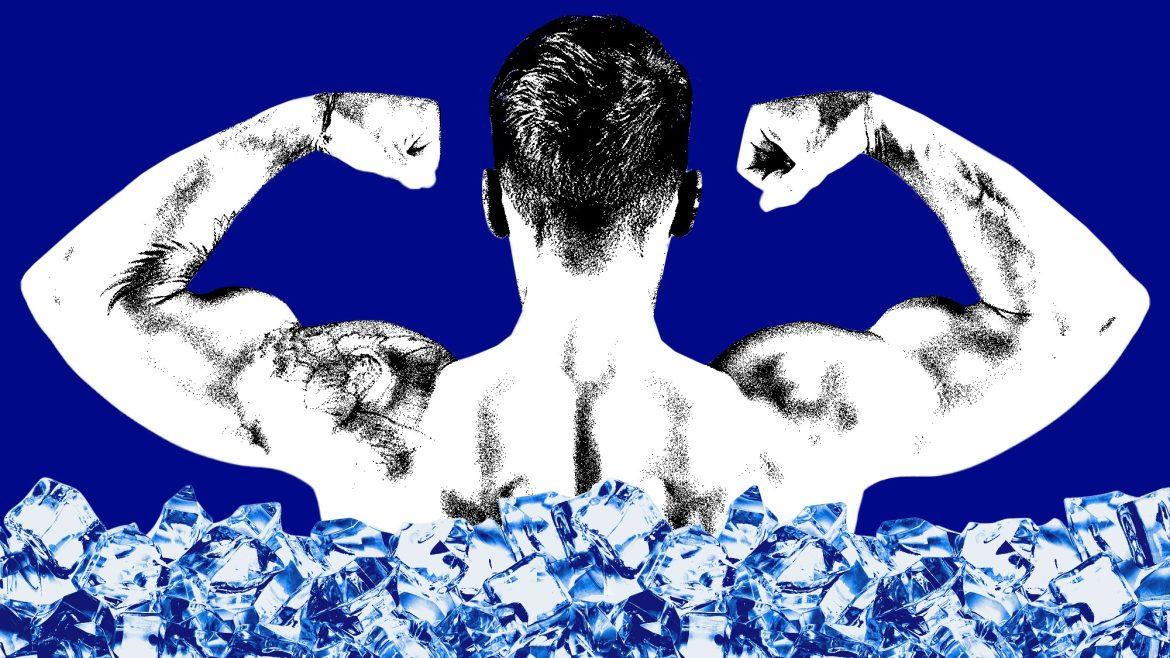
Cold-­water bathing has a long history as a health hack. The ancient Greeks and Romans partook to treat fevers. Eighteenth-­century mental institutions employed a tactic called the bain de surprise, suddenly dunking their patients in cold water to jolt them out of their depression or psychosis. (Some doctors aimed to wet only the head to cure “hot brain.”) Last year, Mehmet Oz, the celebrity doctor who is now the head of Medicaid and Medicare, posted an Instagram video of himself in a one-man ice bath, promoting it as a possible boon for immunity and longevity. “Maybe you affect how the mitochondria work,” he says, before dunking his head into the bath and then flipping his hair as “Careless Whisper” plays in the background.

Maybe. Certainly the plunge has a bit of logic behind it. Cold exposure dampens inflammation, which can contribute to a person’s risk of heart disease and cancer. In nature, some very long-lived animals, such as the bowhead whale (lifespan: about 200 years) and the Greenland shark (500 years) basically cold plunge for their entire life. In fact, cold water does seem to provide some benefits for humans as well—just not the ones that Oz and other wellness enthusiasts most loudly promote.

Cold-­plunge partisans claim, for instance, that cold exposure activates “brown fat,” a special type of fat tissue that burns energy to generate heat. Activating this fat is said to convey almost-magical health benefits, reducing the risk of diabetes and other chronic diseases. Casey Means, President Trump’s pick to be surgeon general, pointed to brown fat when explaining to her followers why she’s come to “LOVE cold plunges” in a 2024 Instagram post. Unfortunately, most adults typically have only a few grams of brown fat, so any beneficial effect from activating it is likely quite small. Even a study of Wim Hof, the Dutch health guru nicknamed “The Iceman” who helped popularize ice bathing, proved disappointing: Using fMRI and other imaging techniques, researchers found that his brown-fat activation after a session of his Wim Hof Method (breathing exercises plus extended cold plunging) was “unremarkable.” (In an email to The Atlantic, Hof acknowledged that brown fat is not primarily responsible for warming the body in cold environments, but said that his breathing techniques support muscular activity that functions as a “physiological radiator.” He did not elaborate on the health effects of said muscular activity or cold plunging more generally.)

[Read: How cold can a living body get?]

Cold plunging has also been touted as a workout-recovery tactic. It took off after Paula Radcliffe, once the fastest women’s marathoner of all time, told BBC Sport in 2002 that post-race ice baths were her secret weapon. Michael Phelps and LeBron James have carried the torch, and photos of pained athletes sitting in icy tubs have become a social-­media staple, spreading the practice to the common gym goer. Last month, Health and Human Services Secretary Robert F. Kennedy Jr. posted a workout video (co-starring Kid Rock) in which he does push-ups and rides an exercise bike in a sauna, then does a cold plunge in his jeans. (HHS did not return a request for comment.) Although a handful of studies suggest that cold-­water immersion may help reduce feelings of muscle soreness after exercise, it also seems capable of limiting your gains. Some studies have shown that cold-­water immersion immediately after resistance exercise ­reduces gains in muscle size and strength. One 2015 study found that cold plunging after resistance training reduced muscle growth by 20 percent.

Cold plunging has grown so popular that it seems to be almost mandatory at many North American sauna establishments. In some, guides wield timers and even whistles to ensure that patrons realize the full health benefits of “contrast therapy,” moving from a hot sauna to an icy-cold plunge and back again. But research suggests that the hot part of contrast therapy ­may be more helpful for muscle health and exercise gains, and that intermittent cold plunging may even neuter those benefits. For example, the cardiovascular and cellular benefits of heat adaptation typically take place when the core body temperature reaches about 101.3 degrees Fahrenheit. But many contrast-therapy regimens march their adherents into a cold plunge immediately after the hot sauna, which pulls their core temperature down before it can rise to the sweet spot. The current trend in the NBA, for instance, is to toggle between 15-minute infrared-sauna sessions and three frigid minutes of plunge.

In fact, recent research suggests that heat alone is a better exercise-recovery tool than ice or cold water. A 2017 clinical trial had volunteers perform an hour of “exhaustive” arm-cycling intervals (think stationary bikes but with handheld cranks instead of pedals). They recovered far better from this ordeal when their arms were warmed rather than cooled. In yet another study, researchers found that cold-­water immersion did nothing for subjects with laboratory-­induced muscle damage, whereas warm water speeded healing and reduced soreness. Perhaps that’s because warm water (or a warm sauna) opens blood vessels, increasing blood flow to the tired or injured muscles. It also activates heat-shock proteins, which repair damaged cells. Cold water, however, does the opposite—constricting blood flow, blunting repair mechanisms, and making muscles and connective tissue less elastic.

[Read: How did healing ourselves get so exhausting?]

Even the doctor who popularized the RICE injury-recovery protocol in the 1970s—­rest, ice, compression, and elevation—­has recanted the “ice” part, after it became clear that inhibiting inflammation can also inhibit healing. In the 2010s, researchers found that transient inflammation created by exercise (and other short-term stressors) acts as a signaling mechanism that helps marshal the body’s own healing response, while also spurring the strength and endurance improvements brought on by exercise.

Still, many if not most of the published studies on cold plunging, including those that undermine its hype, are quite small, with 20 subjects or fewer, the large majority of whom were healthy, fit young men likely volunteering for studies at universities they attended. Relatively few subjects were female, or old enough to be president. These studies also tended to be short-­term, sometimes involving only a single ice bath or hot-­water-­immersion session. And for obvious reasons, carrying out a truly blind study of cold (or heat) exposure is impossible.

The popularity of cold plunging may come down to the simple truth that it makes some adherents feel good. In the only truly large-­scale cold-water study, done in the Netherlands, researchers told more than 3,000 people to take cold showers. They ranged in age from 18 to 65, and they were randomized to end their usual daily shower with 30, 60, or 90 seconds of cold water for a month. The study wasn’t designed to measure brown-fat activation or muscle recovery, but it did reveal that the cold showerers missed about 30 percent fewer workdays than a control group who took only hot showers every day. Both groups reported the same number of total illness days—but for whatever reason, the cold showerers seemed more motivated to go into work.

The amazing thing about this study, however, was that many of the subjects voluntarily continued with the cold showers after the initial 30-day study period expired—although they, presumably, were no longer being compensated for participating in the study. This may speak to why some people swear by cold plunges and showers with an almost-religious fervor. They get hooked.

“That sudden fall in skin temperature releases quite a lot of stress hormones, and ends up releasing serotonin. So you get a feel-good factor,” Mike Tipton, a professor of extreme physiology at the University of Portsmouth who has studied cold-water immersion for decades, told me. “It’s the thing that makes you feel alive.” Perhaps the most consistent reported benefit of cold-water exposure is its effect on mood and mental health. People do it because, for some reason, it makes them feel better.

I struggle with cold plunging, mostly because I dislike cold water and pain, and being hounded into doing things. To me, a plunge usually feels best when it is over. I began to see the appeal only after a 2024 experience at Sauna Days, an eclectic gathering that’s like a music festival, but with wood-burning saunas instead of bands, held near the shores of Lake Superior, the deepest, rockiest, and coldest of the Great Lakes. I was initially happy to sleep through the early-morning swims that most other attendees were partaking in—I was there for the saunas—but eventually, the combination of a sunny day, the coaching of a friend, and latent FOMO led me to the water. At the rocky shore, I gingerly waded in and squatted, keeping my hands and, crucially, my nipples out of the 43-degree water. To my surprise, I felt relief rather than pain, as I unloaded all of that pent-­up sauna heat into the chilly lake water. I dunked myself neck-­deep and let out a deep, satisfying sigh.

Submerged in Lake Superior, I realized that viewing cold plunging as so many of its champions suggested—through the lens of health optimization, as a purely physical practice wrapped in bro science—had been a mistake. That wasn’t it at all. It was really more about changing your mental state, knocking you out of whatever spiral you happen to be stuck in—­rather like a bain de surprise. (To be fair to Oz, he mentions this upside too: Plunging is a reminder, he says, that “your mind is strong and your body can keep up.”)

My second mistake had been to think of plunging as a purely solo activity. My Instagram Reels are replete with longevity bros (and babes) dunking themselves in one-person cold plunges that resemble high-design coffins. But I found that the cold was much easier to take with company, which turned it into a bonding experience, as opposed to ritual self-punishment. I had to admit, splashing around in water cold enough to induce hypothermia had a certain thrill. I felt a little naughty. And I felt even better when I got out.

This article has been adapted from Bill Gifford’s forthcoming book, Hotwired: How The Hidden Power of Heat Makes Us Stronger.

There’s no ambiguity about who Vyleesi is for. The prescription drug, commonly referred to as female Viagra, boosts the libido of women experiencing hypoactive-sexual-desire disorder, a condition in which lack of interest in sex causes distress. When Vyleesi was approved in 2019, an FDA official announced that it was evidence of the agency’s “commitment to protect and advance the health of women.”

But since then, female Viagra seems to have found an unexpected market: men. On the Reddit forum SexOnDrugs—which chronicles, you guessed it, people’s sexual escapades while on various prescription and illicit drugs—guys talk about taking the drug even if they have no apparent issues with sexual drive or performance. “Everything feels richer,” noted one man, who compared taking the drug to adding butter to food. Another claimed that he’d had sex with his wife “about 30 times over 20 hours.” (The drug, however, does frequently make people queasy: “The nausea hit me so hard that sex wasn’t even a thought,” another man reported.)

Vyleesi has never been approved for men. Some clinics advertise that they’ll prescribe the drug to men off-label, but even that is often not necessary for men to get ahold of it. Vyleesi is now readily available without a prescription. Many online retailers sell vials of the drug under the guise that they are for “research use only” and not for human consumption—a disclaimer that technically makes the drugs legal.

Americans are relying on this technicality to get hold of all kinds of drugs—some that, like Vyleesi, are supposed to require a prescription and others that aren’t even approved in the United States at all. Athletes are taking a banned horse-racing drug to speed up their recovery. Beauty influencers are shooting something known as the “Barbie drug” up their nose to get a better tan. My colleague Sarah Zhang recently described the process of buying retatrutide, an unapproved obesity drug, as “just like ordering socks.”

[Read: I bought ‘GLP-3’]

Not all experimentation requires scouring the gray market. Online pharmacies staffed by licensed doctors now regularly prescribe “personalized” medications that include an FDA-approved medication paired with additional experimental additives. One company, BlueChew, sells an erectile-dysfunction pill that contains the active ingredients in Viagra and Cialis, in addition to other chemicals that the company claims improve sex. These products are made by compounding pharmacies, which are not regulated by the FDA for safety, quality, or efficacy.

Taking experimental drugs is nothing new. Sigmund Freud frequently used cocaine to treat his depression; athletes have doped for decades; biohackers have long taken pills in hopes of becoming more efficient at work. What is new, however, is the scale, accessibility, and uptake of faddish pharmaceuticals. Now everyone is a biohacker—or at least anyone can be.


Few experimental drugs have become as popular as peptides—a class of compounds that mimic existing hormones in the body. Peptides have developed a cult following among fitness enthusiasts, looks-maxxers, and Silicon Valley types, who believe that the drugs can boost muscle gain, increase focus, and lead to better skin. On a recent episode of his podcast, Joe Rogan urged Ben Affleck and Matt Damon to use the peptides BPC-157 and TB-500—commonly known as the “Wolverine stack”—to speed up recovery should they ever get injured.

The P in GLP-1 stands for peptide. The success of Ozempic and other FDA-approved drugs for weight loss and diabetes “opened a lot of eyes,” Dave Asprey, a longevity influencer who credits himself with starting the biohacking movement, told me. “People started asking what else is out there.” And there is, it turns out, a ton out there. One online vendor of unapproved peptides that are not intended for human consumption carries dozens of drugs on its website.

GLP-1s are also a big part of the reason Americans are now experimenting with unregulated drugs made by compounding pharmacies. Legally, these businesses are supposed to make custom versions of drugs for people who can’t take an FDA-approved drug, or when an FDA-approved drug is unavailable because of a shortage. Roughly a decade ago, entrepreneurs realized that they could use compounding pharmacies to make nominally customized versions of FDA-approved medicines and sell them to the masses via the internet. Hims pioneered the strategy, selling hair spray loaded with finasteride, an FDA-approved hair-loss drug previously available only in pill form. Now telehealth companies offer compounded drugs for sexual health, hair growth, skin care, and especially weight loss. Sales of these obesity-drug dupes have become an enormous business; both Hims and Ro ran Super Bowl ads touting their offerings.

[Read: GLP-1 envy was just the beginning]

Some of this might seem like a positive development for American medicine. In the cases of weight loss and erectile dysfunction, more patients are getting the care they want or need. I personally experimented with compounded GLP-1s because of the high cost of the real thing. But again, these drugs are not made with any government oversight. Consider Musely, a company that sells skin cream for dark spots. The cream contains three times the amount of the active ingredient hydroquinone, which is FDA-approved, that you’d get in the traditional version of the drug—despite the fact that regulators have warned that hydroquinone may cause skin discoloration. (Musely did not respond to a request for comment.)

Experimental drugs that lack any FDA-approved ingredients can be even more questionable. Although anecdotal evidence abounds about the benefits of the “Wolverine stack” and certain other peptides, most haven’t been researched enough to prove they actually work. “We don’t even know what’s in these bottles,” Christopher Robertson, a Boston University law professor who studies the FDA, told me.


The modern FDA exists to ensure that pharmaceuticals are safe. But the agency has failed to stop the boom of unregulated, potentially dangerous drugs. It has gone after some companies for selling research chemicals after determining that the drugs were, in fact, being sold for human consumption, but the agency is playing a game of whack-a-mole. Dozens of websites selling BPC-157 can be found via a quick Google search. Shutting down compounding pharmacies operating on the gray market would likely be even more difficult, and prompt protracted court battles.

It’s easy to take the FDA for granted. In the 1960s, thalidomide, a drug marketed for morning sickness, left children around the world with irreversible birth defects; the United States avoided such a fate thanks to the FDA’s oversight. Due to the thalidomide scare, America began to require drugs to be proved not only safe but also effective.

Robert F. Kennedy Jr., who oversees the FDA and other major health agencies as the secretary of Health and Human Services, knows this history. During his confirmation hearing, Kennedy name-checked Frances Oldham Kelsey, the FDA official who refused to approve thalidomide in the U.S., as an example of how scientists must follow the data and question science. Yet Kennedy seems poised to make it even easier for Americans to get certain unregulated drugs. On Rogan’s podcast late last month, Kennedy teased that he will soon act to make roughly a dozen peptides “more accessible,” in line with his penchant for medical freedom. He also revealed that he is a “big fan” of certain peptides and has used them himself to help with injuries. (An HHS spokesperson did not respond to a request for comment.)

Just as Americans’ appetite for experimental drugs reaches new heights, the FDA’s capacities to ensure the safety of America’s medicines seem to be diminishing.
At the turn of the 20th century, a sporty American woman would have had relatively few arenas to test her skill: croquet, maybe, or archery, or basketball played gently in an ankle-length skirt. Public displays of aggression were almost universally condemned, and colliding was especially unsavory. To avoid it, women’s-basketball competitions prohibited “snatching” the ball until the 1960s.

Although men’s and women’s sports generally follow the same fundamental objectives today—stealing the basketball is a smart tactic in anyone’s game—physical contact in women’s sports remains controversial. When Caitlin Clark and Angel Reese exchange elbows in the WNBA, outrage and concern inevitably follow. Meanwhile, NBA players sparring over the ball, or NHL players outright brawling, is typically treated as business as usual.

And yet, girls seem to be more interested than ever in contact. Ice hockey, rugby, and football (of the tackle, seven-on-seven, and flag varieties) are all among the fastest-growing sports for teenage girls. And at American high schools last academic year, more girls played on teams for wrestling than field hockey, gymnastics, or dance.

A high schooler today can join any number of sports teams, including, in some districts, rodeo or bass fishing. Basketball and soccer remain among the most-played girls’ team sports, and typically the first ones that girls play at a young age, Karissa Niehoff, the CEO of the National Federation of State High School Associations, told me. But by high school, not everyone can make the basketball or soccer team, and private leagues can be both competitive and expensive. That leaves a deep bench of untapped players for newer and less conventional sports—bass fishing, yes, but also roller hockey, flag football, and, for girls, sports that traditionally haven’t allowed them to play.

[Read: What’s lost when only rich kids play sports]

Girls’ participation in such sports is growing so quickly in part because it’s starting from a small denominator. But they also seem to offer girls something that traditional options don’t. Some are particularly welcoming to beginners: They take all comers, are relatively affordable, and consume less time than other popular sports. Flag-football games last about 40 minutes—half the time of a typical soccer game—and practice usually precedes the game, making scheduling relatively easy.

Many high-growth sports appeal to a rising cultural sense that women and girls can—and should—bulk up. Girls drop sports at twice the rate of boys, and nearly half cite body-image concerns for doing so. “Thin to win” narratives are still deeply embedded in certain sports, such as long-distance running and Nordic skiing, Nicole LaVoi, the director of the University of Minnesota’s Tucker Center for Research on Girls and Women in Sport, told me. In wrestling, too, competitors sometimes resort to unhealthy strategies to stay in a given weight class. But in flag football and rugby, this preoccupation is largely irrelevant. Flag is about agility; several players I spoke with lift weights to help them achieve faster, more explosive movement. A girl interested in playing football 10 years ago may have been teased for being too masculine, LaVoi said. But the popularity of girls’-football programs today suggests that Americans are more likely to accept that a middle-school girl can be a linebacker.

Flag football, which has seen particularly steep growth over the past five years among teen girls, is technically a noncontact sport, which is part of what makes it appeal to safety-conscious parents of both boys and girls; the NFL started promoting it heavily in the past decade, when youth participation in tackle football was declining amid concerns about concussions. But it is viscerally physical: Players dive for catches and tumble into one another as they pull flags. It’s notable that girls are seeking out this sort of play at a time when so much of adolescent socialization happens over screens. Research from the Women’s Sports Foundation shows that social connection and friendship are the main reasons girls play sports.

[Read: You’ll become a fan of these strange, fierce girls]

Evelyn, a 13-year-old linebacker on a flag-football team in Washington, D.C., told me that flag football’s culture is “nicer” than the culture of the softball, lacrosse, baseball, and swimming teams she’d previously joined and then left. When she joined the flag team, she had an easier time bonding with her teammates, she said. “When I make a good flag pull, my team immediately surrounds me—like I did something good. I did it for my team.” Other sports that put kids in close physical proximity are associated with their own social benefits. For example, a recent study of Turkish adolescent boys found that wrestling may improve psychological resilience, not just because athletes become more physically dominant, but also because the close physical encounters require sustained attention and emotional control, which may promote self-regulation.

Contact sports may lead more girls to play team sports of any kind—something they could benefit from for the rest of their lives. Girls who play sports throughout childhood tend to have better physical health in adulthood compared with those who never played or dropped out. Kids who play sports are likely to experience better mental health, stronger friendships, higher confidence, more positive body image, and superior academic achievement, according to research from the Tucker Center. In a 2014 survey of 400 female corporate executives, 94 percent had played a sport. Sally Roberts, the CEO of the nonprofit Wrestle Like a Girl, credits her high-school wrestling career with setting her up for success elsewhere in life: She was the first in her family to graduate high school and college, and became a three-time national wrestling champion. The growth of more gladiatorial girls’ sports has been successful enough that professional leagues are starting to make long-term investments in them. Several NHL teams sponsor girls’ ice-hockey clinics and camps. In December, the NFL announced it was developing a professional flag-football league for women.   

[From the April 2025 issue: Why aren’t women allowed to play baseball?]

Evelyn’s team lost its fall championship in double overtime. But in December, the players were back on the field at a Washington, D.C., middle school. When the game began, Emi, a 13-year-old wide receiver, tumbled toward my feet at the sideline after having her flag pulled. She bounced up and returned to the huddle. Her father explained to me that Emi is naturally very shy, but since starting flag, she’s become more self-assured and comfortable meeting new people.

Later, Emi ran a route, broke free from the defensive back, and caught the ball for a touchdown. Her teammates swarmed her so thoroughly that I couldn’t see her buried under the heap in the end zone.

On Monday, a federal judge issued a preliminary ruling with a harsh reprimand for the Trump administration: You’ve done this vaccine stuff all wrong.

The Trump administration likely broke the law, the judge’s 45-page decision argued, when it dismissed and abruptly reconstituted the CDC’s expert vaccine-advisory panel last June, stacking the committee with members who have aggressively questioned the safety of vaccines. Top health officials also probably acted illegally, the ruling said, when they made sweeping alterations to the nation’s childhood-immunization schedule in January, without the input of their own, remade panel.

If the decision becomes final, it stands to all but wipe away a year’s worth of vaccine-policy change at the CDC. The judge’s ruling calls for staying “all votes taken” by the panel since Health and Human Services Secretary Robert F. Kennedy Jr. remade it—essentially resetting the United States’ vaccine-policy clock to early 2025. But the ruling remains preliminary, and the Trump administration has already hinted at its intent to appeal. Andrew Nixon, the deputy assistant secretary for media relations at HHS, did not respond to a request for comment, but he told reporters this week that “HHS looks forward to this judge’s decision being overturned just like his other attempts to keep the Trump administration from governing.”

Since the Trump administration took office, states and professional medical societies have broken with the CDC, vaccine recommendations have splintered, and trust in federal health agencies, especially in their vaccine advice, has plunged. This latest ruling shifts the nature of the United States’ vaccine chaos, but the turmoil is far from done: Lawyers and judges could be arguing for months over who has the authority to set U.S. vaccine policy.

As things stand, the CDC’s national immunization schedule—and the primary committee that shapes it—is in a kind of purgatory. The current roster of the panel, the Advisory Committee on Immunization Practices (ACIP), should never have come to exist at all, the judge wrote, because it violated the Administrative Procedure Act: When Kennedy fired all 17 of the panel’s former members last spring and replaced them with a more vaccine-skeptical group, he eschewed the “rigorous screening that had been the hallmark of ACIP member selection for decades.” Kennedy’s ACIP, the ruling says, may also fail to fulfill a requirement of the Federal Advisory Committee Act, which calls for the membership of such panels to have “balanced” points of view. The ruling temporarily suspended the appointment of 13 of the 15 current ACIP members, most of whom lack “meaningful experience in vaccines,” the judge wrote. (The other two members were appointed in late February, after the plaintiffs filed their motion, and so were excluded from the decision.) As a result, the panel has been forced to postpone a meeting originally scheduled for this week.

All of that effectively leaves the U.S. without the advisory group that has most influentially shaped American vaccine policy for the past 60 years. “There is no functioning ACIP as of now,” Richard Hughes IV, a lawyer for the plaintiffs, told me. The nation has never been so suddenly stripped of its vaccine advisers, with no backup plan. Experts told me they’re unsure who, if anyone, will advise the CDC on its recommendations for vaccines in the coming months, when the agency might need to weigh in on brand-new immunizations against diseases that have so far lacked them, as well as as this fall’s slate of vaccines against COVID and flu, which are typically reformulated annually to keep up with viral evolution.

In theory, Kennedy or the CDC director—a position temporarily held by Jay Bhattacharya, who also leads the National Institutes of Health—could simply make a unilateral decision about future vaccine recommendations. But the judge also faulted Jim O’Neill, the CDC’s previous acting director, for doing exactly that in January, when O’Neill signed a memo announcing major changes to the agency’s immunization schedule that downgraded recommendations for several vaccines at once, without seeking ACIP’s advice. “The CDC cannot simply bypass ACIP in altering the immunization schedules,” the judge wrote. And because part of the judge’s ruling criticized the hurried way in which the current ACIP was assembled, Kennedy might have a difficult time summoning a fresh panel to replace most of his picks on short notice.

In the lawsuit that led to this week’s ruling, the plaintiffs—which include major medical groups, such as the American Academy of Pediatrics and the Infectious Diseases Society of America—challenged three of ACIP’s votes over the past year in particular. Last summer, on the advice of an anti-vaccine activist, the panel voted to stop recommending the use of flu vaccines containing thimerosal, a preservative with a proven safety record. In September, it opted to downgrade what was once a universal recommendation for COVID vaccines to guidance that Americans first consult a health-care provider. Then, in December, it voted to rescind a long-standing recommendation that all newborns receive a hepatitis-B vaccine, a change that health experts fear could cause cases of severe liver complications to skyrocket.

But if the ruling actually stays “all votes” taken by Kennedy’s ACIP, it could also undo moves the panel has made that are very much in line with what other versions of ACIP have or would have done, Dorit Reiss, a vaccine-law expert at UC Law San Francisco, told me. For example, the committee recommended the 2025–26 flu vaccines for all Americans six months and older, as it has done in years prior. It also recommended a new monoclonal antibody that can protect babies against RSV, the leading cause of infant hospitalization in the U.S., and qualified the shot for the Vaccines for Children program, which helps immunizations reach underinsured families. If those decisions are canceled, coverage for families that have relied on those shots could be compromised.

For now, the decision may accomplish more symbolically than it does practically. It holds that evidence and proper procedure are key to formulating vaccine policy in the United States. But the actions of both the Trump administration and the judge suggest that the government is still conflicted over just how crucial ACIP is. Kennedy and his allies have taken great care to fill the panel with people whose views align with theirs, a tacit endorsement of ACIP’s importance; at the same time, they have made some of their largest modifications to the national immunization schedule without the committee’s input. The judge’s ruling, too, emphasized the influence of ACIP, noting that the committee is the only body that can determine which immunizations qualify under Vaccines for Children—even as it has frozen ACIP’s ability to act for the foreseeable future.

The ruling does not erase, or even much lessen, the deep sense of unease over vaccine decision making in this country that has resulted from the past year of haphazard changes; if anything, a prolonged legal battle could further diminish public trust, Grace Lee, a former chair of the advisory committee and a pediatrician at Stanford, told me. Kennedy, O’Neill, and other administration officials have repeatedly cited a goal of restoring public trust when modifying the nation’s vaccine recommendations. But one recent poll found that trust in the CDC had dropped since the start of the second Trump administration, and that fewer than half of respondents now trust the agency at least “a fair amount” to provide reliable information on vaccines. Several professional medical societies, including the American Academy of Pediatrics, have broken away from CDC vaccine advice; “no serious health-care provider looks to ACIP anymore for advice,” Noel Brewer, a vaccine-behavior expert at the University of North Carolina’s Gillings School of Global Public Health whom Kennedy dismissed from ACIP last year, told me. Dozens of states have declared that they’re no longer following the CDC on vaccines, either. Americans, in effect, have been left with all too many options for whom to listen to about vaccines.

Even if court proceedings eventually revert the country’s immunization schedule to a version of what it was about a year ago—and even if the administration reverts ACIP to its typical process of rigorously vetting members—the U.S. will still be far from its previous vaccine status quo. Vaccination depends not just on the governing bodies that issue recommendations about shots, but also on Americans’ willingness to heed that advice—a far harder shift to reset.

Cold-­water bathing has a long history as a health hack. The ancient Greeks and Romans partook to treat fevers. Eighteenth-­century mental institutions employed a tactic called the bain de surprise, suddenly dunking their patients in cold water to jolt them out of their depression or psychosis. (Some doctors aimed to wet only the head to cure “hot brain.”) Last year, Mehmet Oz, the celebrity doctor who is now the head of Medicaid and Medicare, posted an Instagram video of himself in a one-man ice bath, promoting it as a possible boon for immunity and longevity. “Maybe you affect how the mitochondria work,” he says, before dunking his head into the bath and then flipping his hair as “Careless Whisper” plays in the background.

Maybe. Certainly the plunge has a bit of logic behind it. Cold exposure dampens inflammation, which can contribute to a person’s risk of heart disease and cancer. In nature, some very long-lived animals, such as the bowhead whale (lifespan: about 200 years) and the Greenland shark (500 years) basically cold plunge for their entire life. In fact, cold water does seem to provide some benefits for humans as well—just not the ones that Oz and other wellness enthusiasts most loudly promote.

Cold-­plunge partisans claim, for instance, that cold exposure activates “brown fat,” a special type of fat tissue that burns energy to generate heat. Activating this fat is said to convey almost-magical health benefits, reducing the risk of diabetes and other chronic diseases. Casey Means, President Trump’s pick to be surgeon general, pointed to brown fat when explaining to her followers why she’s come to “LOVE cold plunges” in a 2024 Instagram post. Unfortunately, most adults typically have only a few grams of brown fat, so any beneficial effect from activating it is likely quite small. Even a study of Wim Hof, the Dutch health guru nicknamed “The Iceman” who helped popularize ice bathing, proved disappointing: Using fMRI and other imaging techniques, researchers found that his brown-fat activation after a session of his Wim Hof Method (breathing exercises plus extended cold plunging) was “unremarkable.” (In an email to The Atlantic, Hof acknowledged that brown fat is not primarily responsible for warming the body in cold environments, but said that his breathing techniques support muscular activity that functions as a “physiological radiator.” He did not elaborate on the health effects of said muscular activity or cold plunging more generally.)

[Read: How cold can a living body get?]

Cold plunging has also been touted as a workout-recovery tactic. It took off after Paula Radcliffe, once the fastest women’s marathoner of all time, told BBC Sport in 2002 that post-race ice baths were her secret weapon. Michael Phelps and LeBron James have carried the torch, and photos of pained athletes sitting in icy tubs have become a social-­media staple, spreading the practice to the common gym goer. Last month, Health and Human Services Secretary Robert F. Kennedy Jr. posted a workout video (co-starring Kid Rock) in which he does push-ups and rides an exercise bike in a sauna, then does a cold plunge in his jeans. (HHS did not return a request for comment.) Although a handful of studies suggest that cold-­water immersion may help reduce feelings of muscle soreness after exercise, it also seems capable of limiting your gains. Some studies have shown that cold-­water immersion immediately after resistance exercise ­reduces gains in muscle size and strength. One 2015 study found that cold plunging after resistance training reduced muscle growth by 20 percent.

Cold plunging has grown so popular that it seems to be almost mandatory at many North American sauna establishments. In some, guides wield timers and even whistles to ensure that patrons realize the full health benefits of “contrast therapy,” moving from a hot sauna to an icy-cold plunge and back again. But research suggests that the hot part of contrast therapy ­may be more helpful for muscle health and exercise gains, and that intermittent cold plunging may even neuter those benefits. For example, the cardiovascular and cellular benefits of heat adaptation typically take place when the core body temperature reaches about 101.3 degrees Fahrenheit. But many contrast-therapy regimens march their adherents into a cold plunge immediately after the hot sauna, which pulls their core temperature down before it can rise to the sweet spot. The current trend in the NBA, for instance, is to toggle between 15-minute infrared-sauna sessions and three frigid minutes of plunge.

In fact, recent research suggests that heat alone is a better exercise-recovery tool than ice or cold water. A 2017 clinical trial had volunteers perform an hour of “exhaustive” arm-cycling intervals (think stationary bikes but with handheld cranks instead of pedals). They recovered far better from this ordeal when their arms were warmed rather than cooled. In yet another study, researchers found that cold-­water immersion did nothing for subjects with laboratory-­induced muscle damage, whereas warm water speeded healing and reduced soreness. Perhaps that’s because warm water (or a warm sauna) opens blood vessels, increasing blood flow to the tired or injured muscles. It also activates heat-shock proteins, which repair damaged cells. Cold water, however, does the opposite—constricting blood flow, blunting repair mechanisms, and making muscles and connective tissue less elastic.

[Read: How did healing ourselves get so exhausting?]

Even the doctor who popularized the RICE injury-recovery protocol in the 1970s—­rest, ice, compression, and elevation—­has recanted the “ice” part, after it became clear that inhibiting inflammation can also inhibit healing. In the 2010s, researchers found that transient inflammation created by exercise (and other short-term stressors) acts as a signaling mechanism that helps marshal the body’s own healing response, while also spurring the strength and endurance improvements brought on by exercise.

Still, many if not most of the published studies on cold plunging, including those that undermine its hype, are quite small, with 20 subjects or fewer, the large majority of whom were healthy, fit young men likely volunteering for studies at universities they attended. Relatively few subjects were female, or old enough to be president. These studies also tended to be short-­term, sometimes involving only a single ice bath or hot-­water-­immersion session. And for obvious reasons, carrying out a truly blind study of cold (or heat) exposure is impossible.

The popularity of cold plunging may come down to the simple truth that it makes some adherents feel good. In the only truly large-­scale cold-water study, done in the Netherlands, researchers told more than 3,000 people to take cold showers. They ranged in age from 18 to 65, and they were randomized to end their usual daily shower with 30, 60, or 90 seconds of cold water for a month. The study wasn’t designed to measure brown-fat activation or muscle recovery, but it did reveal that the cold showerers missed about 30 percent fewer workdays than a control group who took only hot showers every day. Both groups reported the same number of total illness days—but for whatever reason, the cold showerers seemed more motivated to go into work.

The amazing thing about this study, however, was that many of the subjects voluntarily continued with the cold showers after the initial 30-day study period expired—although they, presumably, were no longer being compensated for participating in the study. This may speak to why some people swear by cold plunges and showers with an almost-religious fervor. They get hooked.

“That sudden fall in skin temperature releases quite a lot of stress hormones, and ends up releasing serotonin. So you get a feel-good factor,” Mike Tipton, a professor of extreme physiology at the University of Portsmouth who has studied cold-water immersion for decades, told me. “It’s the thing that makes you feel alive.” Perhaps the most consistent reported benefit of cold-water exposure is its effect on mood and mental health. People do it because, for some reason, it makes them feel better.

I struggle with cold plunging, mostly because I dislike cold water and pain, and being hounded into doing things. To me, a plunge usually feels best when it is over. I began to see the appeal only after a 2024 experience at Sauna Days, an eclectic gathering that’s like a music festival, but with wood-burning saunas instead of bands, held near the shores of Lake Superior, the deepest, rockiest, and coldest of the Great Lakes. I was initially happy to sleep through the early-morning swims that most other attendees were partaking in—I was there for the saunas—but eventually, the combination of a sunny day, the coaching of a friend, and latent FOMO led me to the water. At the rocky shore, I gingerly waded in and squatted, keeping my hands and, crucially, my nipples out of the 43-degree water. To my surprise, I felt relief rather than pain, as I unloaded all of that pent-­up sauna heat into the chilly lake water. I dunked myself neck-­deep and let out a deep, satisfying sigh.

Submerged in Lake Superior, I realized that viewing cold plunging as so many of its champions suggested—through the lens of health optimization, as a purely physical practice wrapped in bro science—had been a mistake. That wasn’t it at all. It was really more about changing your mental state, knocking you out of whatever spiral you happen to be stuck in—­rather like a bain de surprise. (To be fair to Oz, he mentions this upside too: Plunging is a reminder, he says, that “your mind is strong and your body can keep up.”)

My second mistake had been to think of plunging as a purely solo activity. My Instagram Reels are replete with longevity bros (and babes) dunking themselves in one-person cold plunges that resemble high-design coffins. But I found that the cold was much easier to take with company, which turned it into a bonding experience, as opposed to ritual self-punishment. I had to admit, splashing around in water cold enough to induce hypothermia had a certain thrill. I felt a little naughty. And I felt even better when I got out.

This article has been adapted from Bill Gifford’s forthcoming book, Hotwired: How The Hidden Power of Heat Makes Us Stronger.

There’s no ambiguity about who Vyleesi is for. The prescription drug, commonly referred to as female Viagra, boosts the libido of women experiencing hypoactive-sexual-desire disorder, a condition in which lack of interest in sex causes distress. When Vyleesi was approved in 2019, an FDA official announced that it was evidence of the agency’s “commitment to protect and advance the health of women.”

But since then, female Viagra seems to have found an unexpected market: men. On the Reddit forum SexOnDrugs—which chronicles, you guessed it, people’s sexual escapades while on various prescription and illicit drugs—guys talk about taking the drug even if they have no apparent issues with sexual drive or performance. “Everything feels richer,” noted one man, who compared taking the drug to adding butter to food. Another claimed that he’d had sex with his wife “about 30 times over 20 hours.” (The drug, however, does frequently make people queasy: “The nausea hit me so hard that sex wasn’t even a thought,” another man reported.)

Vyleesi has never been approved for men. Some clinics advertise that they’ll prescribe the drug to men off-label, but even that is often not necessary for men to get ahold of it. Vyleesi is now readily available without a prescription. Many online retailers sell vials of the drug under the guise that they are for “research use only” and not for human consumption—a disclaimer that technically makes the drugs legal.

Americans are relying on this technicality to get hold of all kinds of drugs—some that, like Vyleesi, are supposed to require a prescription and others that aren’t even approved in the United States at all. Athletes are taking a banned horse-racing drug to speed up their recovery. Beauty influencers are shooting something known as the “Barbie drug” up their nose to get a better tan. My colleague Sarah Zhang recently described the process of buying retatrutide, an unapproved obesity drug, as “just like ordering socks.”

[Read: I bought ‘GLP-3’]

Not all experimentation requires scouring the gray market. Online pharmacies staffed by licensed doctors now regularly prescribe “personalized” medications that include an FDA-approved medication paired with additional experimental additives. One company, BlueChew, sells an erectile-dysfunction pill that contains the active ingredients in Viagra and Cialis, in addition to other chemicals that the company claims improve sex. These products are made by compounding pharmacies, which are not regulated by the FDA for safety, quality, or efficacy.

Taking experimental drugs is nothing new. Sigmund Freud frequently used cocaine to treat his depression; athletes have doped for decades; biohackers have long taken pills in hopes of becoming more efficient at work. What is new, however, is the scale, accessibility, and uptake of faddish pharmaceuticals. Now everyone is a biohacker—or at least anyone can be.


Few experimental drugs have become as popular as peptides—a class of compounds that mimic existing hormones in the body. Peptides have developed a cult following among fitness enthusiasts, looks-maxxers, and Silicon Valley types, who believe that the drugs can boost muscle gain, increase focus, and lead to better skin. On a recent episode of his podcast, Joe Rogan urged Ben Affleck and Matt Damon to use the peptides BPC-157 and TB-500—commonly known as the “Wolverine stack”—to speed up recovery should they ever get injured.

The P in GLP-1 stands for peptide. The success of Ozempic and other FDA-approved drugs for weight loss and diabetes “opened a lot of eyes,” Dave Asprey, a longevity influencer who credits himself with starting the biohacking movement, told me. “People started asking what else is out there.” And there is, it turns out, a ton out there. One online vendor of unapproved peptides that are not intended for human consumption carries dozens of drugs on its website.

GLP-1s are also a big part of the reason Americans are now experimenting with unregulated drugs made by compounding pharmacies. Legally, these businesses are supposed to make custom versions of drugs for people who can’t take an FDA-approved drug, or when an FDA-approved drug is unavailable because of a shortage. Roughly a decade ago, entrepreneurs realized that they could use compounding pharmacies to make nominally customized versions of FDA-approved medicines and sell them to the masses via the internet. Hims pioneered the strategy, selling hair spray loaded with finasteride, an FDA-approved hair-loss drug previously available only in pill form. Now telehealth companies offer compounded drugs for sexual health, hair growth, skin care, and especially weight loss. Sales of these obesity-drug dupes have become an enormous business; both Hims and Ro ran Super Bowl ads touting their offerings.

[Read: GLP-1 envy was just the beginning]

Some of this might seem like a positive development for American medicine. In the cases of weight loss and erectile dysfunction, more patients are getting the care they want or need. I personally experimented with compounded GLP-1s because of the high cost of the real thing. But again, these drugs are not made with any government oversight. Consider Musely, a company that sells skin cream for dark spots. The cream contains three times the amount of the active ingredient hydroquinone, which is FDA-approved, that you’d get in the traditional version of the drug—despite the fact that regulators have warned that hydroquinone may cause skin discoloration. (Musely did not respond to a request for comment.)

Experimental drugs that lack any FDA-approved ingredients can be even more questionable. Although anecdotal evidence abounds about the benefits of the “Wolverine stack” and certain other peptides, most haven’t been researched enough to prove they actually work. “We don’t even know what’s in these bottles,” Christopher Robertson, a Boston University law professor who studies the FDA, told me.


The modern FDA exists to ensure that pharmaceuticals are safe. But the agency has failed to stop the boom of unregulated, potentially dangerous drugs. It has gone after some companies for selling research chemicals after determining that the drugs were, in fact, being sold for human consumption, but the agency is playing a game of whack-a-mole. Dozens of websites selling BPC-157 can be found via a quick Google search. Shutting down compounding pharmacies operating on the gray market would likely be even more difficult, and prompt protracted court battles.

It’s easy to take the FDA for granted. In the 1960s, thalidomide, a drug marketed for morning sickness, left children around the world with irreversible birth defects; the United States avoided such a fate thanks to the FDA’s oversight. Due to the thalidomide scare, America began to require drugs to be proved not only safe but also effective.

Robert F. Kennedy Jr., who oversees the FDA and other major health agencies as the secretary of Health and Human Services, knows this history. During his confirmation hearing, Kennedy name-checked Frances Oldham Kelsey, the FDA official who refused to approve thalidomide in the U.S., as an example of how scientists must follow the data and question science. Yet Kennedy seems poised to make it even easier for Americans to get certain unregulated drugs. On Rogan’s podcast late last month, Kennedy teased that he will soon act to make roughly a dozen peptides “more accessible,” in line with his penchant for medical freedom. He also revealed that he is a “big fan” of certain peptides and has used them himself to help with injuries. (An HHS spokesperson did not respond to a request for comment.)

Just as Americans’ appetite for experimental drugs reaches new heights, the FDA’s capacities to ensure the safety of America’s medicines seem to be diminishing.

At the turn of the 20th century, a sporty American woman would have had relatively few arenas to test her skill: croquet, maybe, or archery, or basketball played gently in an ankle-length skirt. Public displays of aggression were almost universally condemned, and colliding was especially unsavory. To avoid it, women’s-basketball competitions prohibited “snatching” the ball until the 1960s.

Although men’s and women’s sports generally follow the same fundamental objectives today—stealing the basketball is a smart tactic in anyone’s game—physical contact in women’s sports remains controversial. When Caitlin Clark and Angel Reese exchange elbows in the WNBA, outrage and concern inevitably follow. Meanwhile, NBA players sparring over the ball, or NHL players outright brawling, is typically treated as business as usual.

And yet, girls seem to be more interested than ever in contact. Ice hockey, rugby, and football (of the tackle, seven-on-seven, and flag varieties) are all among the fastest-growing sports for teenage girls. And at American high schools last academic year, more girls played on teams for wrestling than field hockey, gymnastics, or dance.

A high schooler today can join any number of sports teams, including, in some districts, rodeo or bass fishing. Basketball and soccer remain among the most-played girls’ team sports, and typically the first ones that girls play at a young age, Karissa Niehoff, the CEO of the National Federation of State High School Associations, told me. But by high school, not everyone can make the basketball or soccer team, and private leagues can be both competitive and expensive. That leaves a deep bench of untapped players for newer and less conventional sports—bass fishing, yes, but also roller hockey, flag football, and, for girls, sports that traditionally haven’t allowed them to play.

[Read: What’s lost when only rich kids play sports]

Girls’ participation in such sports is growing so quickly in part because it’s starting from a small denominator. But they also seem to offer girls something that traditional options don’t. Some are particularly welcoming to beginners: They take all comers, are relatively affordable, and consume less time than other popular sports. Flag-football games last about 40 minutes—half the time of a typical soccer game—and practice usually precedes the game, making scheduling relatively easy.

Many high-growth sports appeal to a rising cultural sense that women and girls can—and should—bulk up. Girls drop sports at twice the rate of boys, and nearly half cite body-image concerns for doing so. “Thin to win” narratives are still deeply embedded in certain sports, such as long-distance running and Nordic skiing, Nicole LaVoi, the director of the University of Minnesota’s Tucker Center for Research on Girls and Women in Sport, told me. In wrestling, too, competitors sometimes resort to unhealthy strategies to stay in a given weight class. But in flag football and rugby, this preoccupation is largely irrelevant. Flag is about agility; several players I spoke with lift weights to help them achieve faster, more explosive movement. A girl interested in playing football 10 years ago may have been teased for being too masculine, LaVoi said. But the popularity of girls’-football programs today suggests that Americans are more likely to accept that a middle-school girl can be a linebacker.

Flag football, which has seen particularly steep growth over the past five years among teen girls, is technically a noncontact sport, which is part of what makes it appeal to safety-conscious parents of both boys and girls; the NFL started promoting it heavily in the past decade, when youth participation in tackle football was declining amid concerns about concussions. But it is viscerally physical: Players dive for catches and tumble into one another as they pull flags. It’s notable that girls are seeking out this sort of play at a time when so much of adolescent socialization happens over screens. Research from the Women’s Sports Foundation shows that social connection and friendship are the main reasons girls play sports.

[Read: You’ll become a fan of these strange, fierce girls]

Evelyn, a 13-year-old linebacker on a flag-football team in Washington, D.C., told me that flag football’s culture is “nicer” than the culture of the softball, lacrosse, baseball, and swimming teams she’d previously joined and then left. When she joined the flag team, she had an easier time bonding with her teammates, she said. “When I make a good flag pull, my team immediately surrounds me—like I did something good. I did it for my team.” Other sports that put kids in close physical proximity are associated with their own social benefits. For example, a recent study of Turkish adolescent boys found that wrestling may improve psychological resilience, not just because athletes become more physically dominant, but also because the close physical encounters require sustained attention and emotional control, which may promote self-regulation.

Contact sports may lead more girls to play team sports of any kind—something they could benefit from for the rest of their lives. Girls who play sports throughout childhood tend to have better physical health in adulthood compared with those who never played or dropped out. Kids who play sports are likely to experience better mental health, stronger friendships, higher confidence, more positive body image, and superior academic achievement, according to research from the Tucker Center. In a 2014 survey of 400 female corporate executives, 94 percent had played a sport. Sally Roberts, the CEO of the nonprofit Wrestle Like a Girl, credits her high-school wrestling career with setting her up for success elsewhere in life: She was the first in her family to graduate high school and college, and became a three-time national wrestling champion. The growth of more gladiatorial girls’ sports has been successful enough that professional leagues are starting to make long-term investments in them. Several NHL teams sponsor girls’ ice-hockey clinics and camps. In December, the NFL announced it was developing a professional flag-football league for women.   

[From the April 2025 issue: Why aren’t women allowed to play baseball?]

Evelyn’s team lost its fall championship in double overtime. But in December, the players were back on the field at a Washington, D.C., middle school. When the game began, Emi, a 13-year-old wide receiver, tumbled toward my feet at the sideline after having her flag pulled. She bounced up and returned to the huddle. Her father explained to me that Emi is naturally very shy, but since starting flag, she’s become more self-assured and comfortable meeting new people.

Later, Emi ran a route, broke free from the defensive back, and caught the ball for a touchdown. Her teammates swarmed her so thoroughly that I couldn’t see her buried under the heap in the end zone.