Category:

Medical News

Last week, the Department of Health and Human Services finally followed through on a plan it first outlined for several of its top officials nearly a year ago: It reassigned them to positions in the Indian Health Service.

Many of the officials who were sent the reassignments—a group that includes at least half a dozen top-ranking employees at the National Institutes of Health, the CDC, and other agencies—have been on administrative leave since last spring, when they were abruptly ousted from their roles without explanation, or any indication of how long their hiatus might last. So they were shocked last week when, with no preamble, they received phone calls, then a letter, informing them of their new role, and an April 8 deadline to decline or accept.

In most or all cases, accepting these new roles would represent a major career shake-up and force a move across the country: Many senior HHS officials are based in Maryland—where the FDA and the NIH are located—or near Atlanta, where the CDC is headquartered; the recent letters lay out reassignments to places such as Arizona, New Mexico, Oklahoma, North Dakota, and South Dakota. If the officials accept the reassignments, they’ll be expected to report for their new jobs no later than May 26. If they decline, the officials expect to be removed from federal service entirely.

I spoke with two of the letter recipients, along with several former HHS officials who were also placed on leave by the administration last spring; all of them requested anonymity to avoid professional repercussions. For several of the reassigned officials, April 1 will mark the one-year anniversary of when they were put on administrative leave, shortly after HHS initially proposed via email to reassign them to IHS. The two officials who recently received reassignments also told me that last week is the first time they’ve heard from HHS since May or June 2025, when they were asked to provide their CVs. After being left for so long in limbo, then given so little time to make this choice, some officials feel like HHS is pretending it didn’t ghost some of its highest-ranking, highest-paid employees for the better part of 12 months. “Honestly, it’s hilarious,” one official told me: HHS did do what it said it would. It just took a year to do it.

When reached for comment, Emily G. Hilliard, HHS’s press secretary, emphasized in an email that HHS was dedicated to improving the IHS and that “each executive who joins IHS will strengthen leadership capacity and support mission delivery.”

IHS is, unquestionably, in need of more staff, especially in its more rural and remote locations. For years, the agency’s vacancy rate has hovered around 30 percent (and, for certain roles, has climbed higher in some regions). Last spring, when dozens of HHS officials were initially put on administrative leave, Thomas J. Nagy Jr., HHS’s deputy assistant secretary for human resources, wrote to them in an email that American Indian and Alaskan Native communities deserve “the highest quality of service, and HHS needs individuals like you to deliver that service.” In January, the IHS also announced what it described as the “largest hiring initiative” in its history to address staffing shortfalls, noting that the effort had the full support of HHS Secretary Robert F. Kennedy Jr., who has described tribal health as a priority.

But the reassigned officials and the tribal-health experts I spoke with both questioned how well the new reassignments fit current IHS needs. The primary feature of the re-assignees, as a group, is that they were high-ranking officials with extensive experience in administrative leadership; many were running departments of hundreds of employees or more. Among those who received the proposed reassignment last spring were the directors of several NIH institutes, leaders of several CDC centers, a top-ranking official from the FDA tobacco-products center, a bioethicist, a human-resources manager, a communications director, and a technology-information officer. Meanwhile, IHS’s greatest need is for “hands-on clinical people,” such as physicians and nurses, David Simmons, the director of government affairs and advocacy at the National Indian Child Welfare Association, told me. “People in communications, HR, researchers? Those are not going to be the people who are going to be helpful on a daily basis,” Simmons said. “On some level, I have to ask the question: Why are they sending these kinds of people?”

Last week’s letters, also signed by Nagy, described new IHS positions, multiple of them located at small hospitals in some of the country’s most rural and remote regions, several officials told me. The roles come with titles such as “Chief of Staff” and “Senior Advisor,” but the letters don’t describe the specific responsibilities attached to those positions. I asked one official whether their credentials lined up in any way with their reassigned role. “Zero,” they told me. If senior-executive officials accept the reassignment, the letters say, they will keep their current salaries—a minimum of about $150,000, though many high-level reassigned officials make far more, two officials told me. The IHS will likely be responsible for the salaries of reassigned officials, one NIH official told me, even though its budget is a small fraction of the NIH’s; the official told me that, as far as they could tell, they would be making about as much as their new supervisors.

To build trust and effectively deliver care, health officials need to be deeply familiar with tribal communities’ needs and should have an understanding of the local culture, Simmons told me. In 2023, American Indians and Alaskan Natives had lower life expectancy at birth than any other racial and ethnic group in the United States; Native people are especially vulnerable to conditions such as asthma, diabetes, and substance-use disorder. Tribes also have a long history of being severely mistreated by the federal government. But the officials I spoke with told me that they were not aware of any reassigned individuals who identified as Native or had extensive background in working with such communities. Last year, Deb Haaland, a member of the Pueblo of Laguna and a Democratic candidate for governor of New Mexico, criticized the reassignment proposals as “shameful” and “disrespectful.” The experts I spoke with also weren’t aware of any attempts HHS had made since to thoroughly consult tribal leaders about these reassignments; in at least one case, when a reassigned official tried making contact with their new hospital, with their new hospital, their new supervisor expressed confusion about who the official was or why they were reaching out at all, three current and former HHS officials told me. (Hilliard did not address my questions about whether the IHS or tribal leaders had been consulted about the reassignments, how qualified the reassigned officials were to meet the agency’s needs, or why HHS made the reassignments now.)

Meanwhile, health experts across the country have felt the loss of these officials from top tiers of HHS, especially agencies that focus on public health. “At the local health department level, we depend on their expertise,” Philip Huang, the director of Dallas’s health department, told me.

What prompted HHS to finally end these officials’ administrative leave is unclear; many officials had wondered if their hiatus might stretch on indefinitely, until they themselves chose to resign, as many of their colleagues have. The action may have been triggered by guidance from the Office of Personnel Management, released after the officials were first put on leave and newly effective in 2026, that limits administrative leave connected to workforce reassignment to 12 weeks. The end of March coincides with that limit.

No matter the trigger, the officials I spoke with told me they feel roughly the same as they did a year ago: “They obviously don’t want us to take these jobs, and want us to leave on our own,” one official said. Firing federal officials is difficult, especially without clear cause, and none of the officials I spoke with could identify a valid reason that they or their colleagues had been in federal limbo since last spring. The officials I spoke with uniformly emphasized that filling IHS with qualified people is essential, but added that they didn’t fit the bill. And several officials told me they worry that, should many of the reassigned officials reject the government’s offer, IHS will have a harder time attracting the personnel it needs. HHS’s “goal is to get people out, and I think that has been the goal from the beginning,” another official told me. “It’s cruel and unkind and unprofessional.”

Some of the letter recipients still feel extreme pressure to accept their reassignment. One told me that they’re just weeks away from full retirement eligibility but can’t run out the clock before the acceptance deadline passes. “I might have to move,” the official said. And, as federal policy states, if HHS pays for any part of their relocation, they’ll have to remain in a federal job for at least a year. (Early-retirement options do exist, with fewer benefits; another official told me they’re taking this option, and accepting another job elsewhere.) Still, even as officials weigh their decision, they feel a new sense of finality: Their administrative leave is ending, and whatever hope they might have had of returning to the agencies they once worked at has been extinguished.  
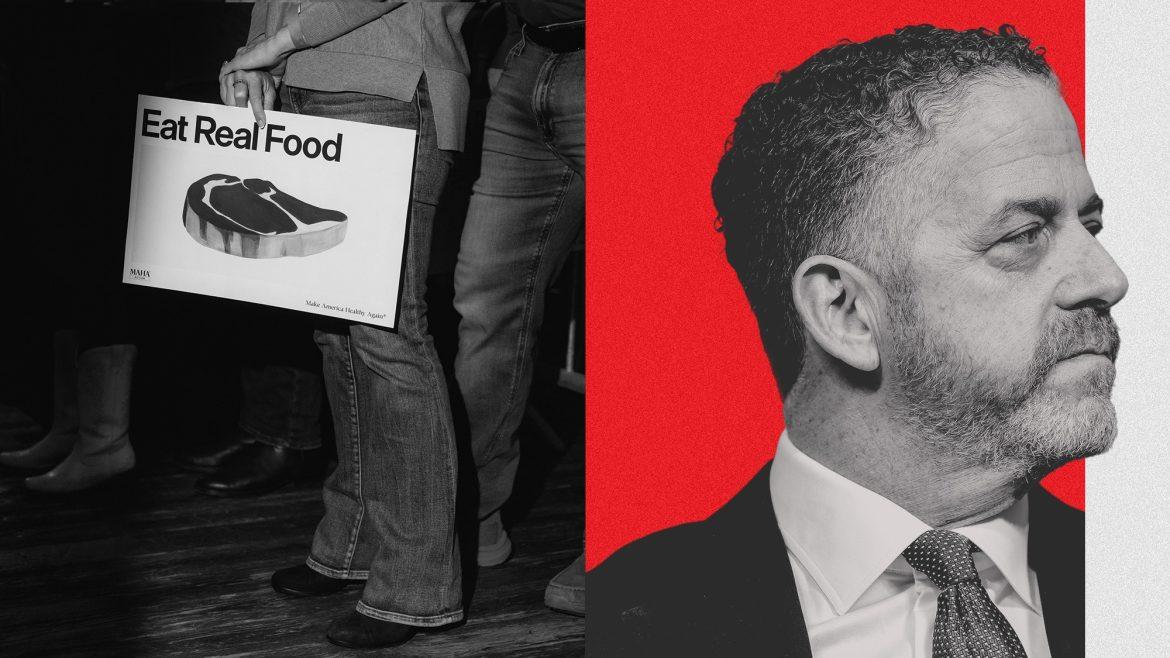
Tony Lyons knows how Republicans can win the midterm elections later this year. All they need to do, as he explained in a memo to GOP leaders in February, is embrace the Make America Healthy Again movement, or at least the popular parts of it, like banning soda from SNAP benefits and ditching artificial food dyes. Divisive anti-vaccine issues, in contrast, must be “addressed carefully and with nuance.” Follow this plan, insists Lyons—who is president of MAHA Action, a nonprofit that promotes Health Secretary Robert F. Kennedy Jr.’s agenda—and the “MAHA Winnable Middle” will be yours.

Getting Republicans on board with MAHA is Lyons’s primary mission. Also important: making sure the movement doesn’t implode in the meantime.

In recent weeks, MAHA diehards have been fuming, particularly after Donald Trump signed an executive order shielding manufacturers of the widely used weed killer glyphosate from liability. Some studies suggest that glyphosate exposure leads to cancer, and MAHA activists want it banned. More recent setbacks for Kennedy—such as Casey Means’s stalled bid for surgeon general and a federal judge’s preliminary injunction against changes to the childhood vaccine schedule—haven’t exactly helped. Lyons has counseled frustrated supporters to “stay together and stay focused.” Several influential MAHA figures have told me, however, that if the Trump administration shrugs off their priorities, they see no reason to remain loyal.

With the exception of Kennedy himself, no one is more central to MAHA as a political project than Lyons. He is the movement’s chief strategist, primary spokesperson, and—as of late anyway—most ardent apologist. Along with heading MAHA Action, he is a co-president of MAHA PAC, the political arm of the movement, which aims to help elect GOP candidates who support MAHA causes to the Senate and House. Lyons told me he plans to back as many as 20 Republicans in the midterms; recently, MAHA PAC gave $1 million to Julia Letlow, the Louisiana congresswoman running in the Republican primary against Senator Bill Cassidy, a frequent Kennedy critic. Lyons is also the president of MAHA Center, the nonprofit responsible for the former boxer and current Trump supporter Mike Tyson’s apple-chomping Super Bowl commercial. Whereas MAHA PAC’s stated goal is to elect Republicans, MAHA Center is at least officially nonpartisan.

In contrast with the wellness influencers in the MAHA movement, Lyons is unlikely to be caught promoting a supplement stack or posting shirtless cold-plunge videos. Instead he’s the suit with the salt-and-pepper beard in charge of making it all sound reasonable. I met Lyons last fall in Austin at the annual conference for Children’s Health Defense, the anti-vaccine nonprofit Kennedy founded in 2018, where he told me that the movement had been unfairly maligned as unscientific and irresponsible. We’ve since exchanged texts and spoken on the phone a number of times—usually late in the evening. “I feel like I could work around the clock and that I get more and more energy because I believe that I’m doing something that’s important,” he told me during one such exchange. Lyons considers Kennedy both a folk hero and a friend.

[Read: The meme-washing of RFK Jr.]

Lyons’s day job—and the way he first got involved in Kennedy’s world—is running Skyhorse Publishing. Lyons founded the independent press in 2006 and carved out a lucrative niche with books about fishing and sports along with occasional forays into politics, including former Minnesota Governor Jesse Ventura’s best seller American Conspiracies, which asserts that officials in George W. Bush’s administration were complicit in the 9/11 attacks, among other wild and unsupported claims. Over time, Skyhorse became known for acquiring titles by scandal-tainted authors, including Woody Allen and the Philip Roth biographer Blake Bailey, after they’d been dumped by major publishing houses.

Lately Skyhorse has become the publisher of choice for MAHA-aligned writers—so much so that it now has a MAHA imprint. In 2014, Skyhorse published Thimerosal: Let The Science Speak. The book, edited by Kennedy, makes the case that the mercury-derived vaccine preservative is dangerous and could be to blame for the rise in autism rates since the 1990s. (Thimerosal was removed from routine childhood vaccines in the United States such as DTaP, which protects against diphtheria, tetanus, and whooping cough, in 2001; no credible evidence has linked the compound to autism.) The book was widely panned, including by the Union of Concerned Scientists, which cited its “misrepresentations of facts and slippery slope distortions of research.” But those reviewers, Lyons said, “were making the argument that Bobby Kennedy was dangerous” not because Kennedy’s views ran counter to experts in the field—though they certainly did—but because he was a threat to pharmaceutical companies’ profits. (The Union of Concerned Scientists doesn’t accept corporate or government funding.)

Skyhorse has since published a dozen or so books by Kennedy, including a memoir and several more anti-vaccine treatises. The most successful of those books, by far, is The Real Anthony Fauci, a nearly 500-page diatribe against the now-retired director of the National Institute of Allergy and Infectious Diseases that suggests that drugs such as hydroxychloroquine and ivermectin are effective treatments for COVID (they are not) and entertains doubts about whether HIV causes AIDS (it does). Since Kennedy took office, Skyhorse has also published books by his allies and family. Among them is a memoir by Kennedy’s wife, Cheryl Hines, and a satirical book about Fauci by Robert Kennedy III. According to Skyhorse’s website, a children’s book titled Making America Healthy Again, due in August and written by the author of another book titled I’m Unvaccinated and That’s OK!, touts the “exciting progress” being made by MAHA, which includes “updating the childhood vaccine schedule to prioritize safer, evidence-based options.” (Last month, a judge temporarily blocked changes made to the childhood vaccine schedule in response to a lawsuit filed by the American Academy of Pediatrics. When I asked Lyons whether the book would be updated, he demurred.)

[Read: A new level of vaccine purgatory]

Before Kennedy was confirmed last year, he disclosed that he will receive advances of $2 million to $4 million from Skyhorse for three upcoming books. According to Lyons, the health secretary has been working on a new book, though it’s not listed on Skyhorse’s website. Lyons wouldn’t reveal the title or when it would be available, though he did confirm that the book would include an account of a supposed CDC cover-up of vaccine harms. For years, Kennedy has accused the CDC of practicing politicized science, and during his confirmation hearing, he said it might be the most corrupt agency in the federal government. Hundreds of people will be involved in researching and fact-checking the book, Lyons told me. (The Department of Health and Human Services did not respond to a request for comment.)

Skyhorse authors are frequent guests on the MAHA Action Media Hub, a livestreamed show that Lyons hosts every Wednesday afternoon. When Senator Rand Paul of Kentucky appeared on the show in December to question the necessity of the hepatitis-B birth dose, a split screen showed the cover of his 2023 Skyhorse book, Deception: The Great COVID Cover-Up. Russell Brand, the British comedian who has become MAHA’s court jester—and who in his home country faces charges of rape, which he has denied—usually appears toward the end of the show to proclaim his unabashed admiration for Kennedy, sometimes while driving in his car and once while naked in the bathtub. (Brand’s book How to Become a Christian in Seven Days is forthcoming from Skyhorse in May.) Another regular is Robert Malone, who has written a couple of conspiracy-themed books for Skyhorse denouncing the news media and the government, which he accuses of wielding “reality-bending information-control capabilities.” Kennedy named Malone to the CDC’s vaccine-advisory panel last year, but he recently quit in a huff, complaining that the Trump administration now considers debate over vaccines a “losing issue” in the midterms. In fact, the fate of Kennedy’s entire handpicked panel is in legal limbo, and the health secretary has apparently stopped speaking publicly about vaccines altogether, reportedly at the White House’s insistence.

[Read: RFK Jr. is losing his grip on the CDC]

I asked Lyons what he thought of reports that Kennedy has been reined in, and that Trump advisers worry that MAHA, far from being the key to victory in the midterms, has become a distraction or even a liability. Lyons wasn’t having any of it. He denied that he’s personally been instructed by the White House, or Kennedy, to stop talking about vaccines: “Nobody’s telling me what to do.” The reason the movement seems to be in turmoil now, he said, is that corporate interests and “corrupt deep-state allies” are trying to convince the left that MAHA has gone too far, and the right that it hasn’t gone far enough. “Who has been looking at the hidden ingredients in our food that are making us sick?” he said. “MAHA comes along, starts telling you what these things are, and then we have every major newspaper in the country saying that we’re anti-science, and that everything’s settled, everything’s perfect the way it is.”

Everything’s not perfect the way it is. The majority of American adults have at least one chronic disease, such as hypertension or diabetes. Most of us consume too much sugar and don’t get enough exercise. Some of MAHA’s priorities—like encouraging Americans to eat less junk food and be more physically active—should be uncontroversial. At the same time, MAHA rhetoric has also undermined confidence in childhood vaccines as measles outbreaks in under-vaccinated communities threaten the country’s elimination status.

Lyons, like Kennedy and other anti-vaccine advocates, rejects the idea that MAHA is anti-vaccine, instead casting it as an effort to challenge taboos and champion medical freedom. “The success is that people are starting to see through the idea that somehow vaccines are magic,” he told me. The issue is personal for Lyons: His adult daughter, Lina, has severe autism, and he has described her as vaccine-injured. Lina communicates using a method in which a nonspeaking person spells out words with the assistance of a facilitator, often a family member. The American Speech-Language-Hearing Association, along with other medical organizations, considers the technique scientifically discredited. But at a MAHA event in January, Lyons told the audience that, thanks to facilitated communication, “what we’re seeing now is that these children’s brains are intact.” Lina is writing a book using the technique; Lyons told me it will likely be published this summer.

It’s easy to imagine how the media and political infrastructure Lyons has helped create could serve as a springboard for a presidential campaign. In February, MAHA Action hosted Kennedy at an “Eat Real Food” event in Austin featuring Steak ’n Shake burgers and fries (cooked, naturally, in beef tallow) along with complimentary copies of The MAHA Cookbook (published, naturally, by Skyhorse). I was there, and it felt, at times, like a campaign rally, albeit one with posters of whole milk and ribeyes. Nevertheless, Lyons insists that the odds of Kennedy running for president are one in a million. “He is not really trying to get more power,” Lyons told me.

[Read: MAHA has been given an impossible task]

Whether Kennedy can hold on to the power he already has may depend on whether Lyons can somehow appease Kennedy’s restless supporters—all while convincing Republicans that, when it comes to their chances next November, MAHA actually matters.

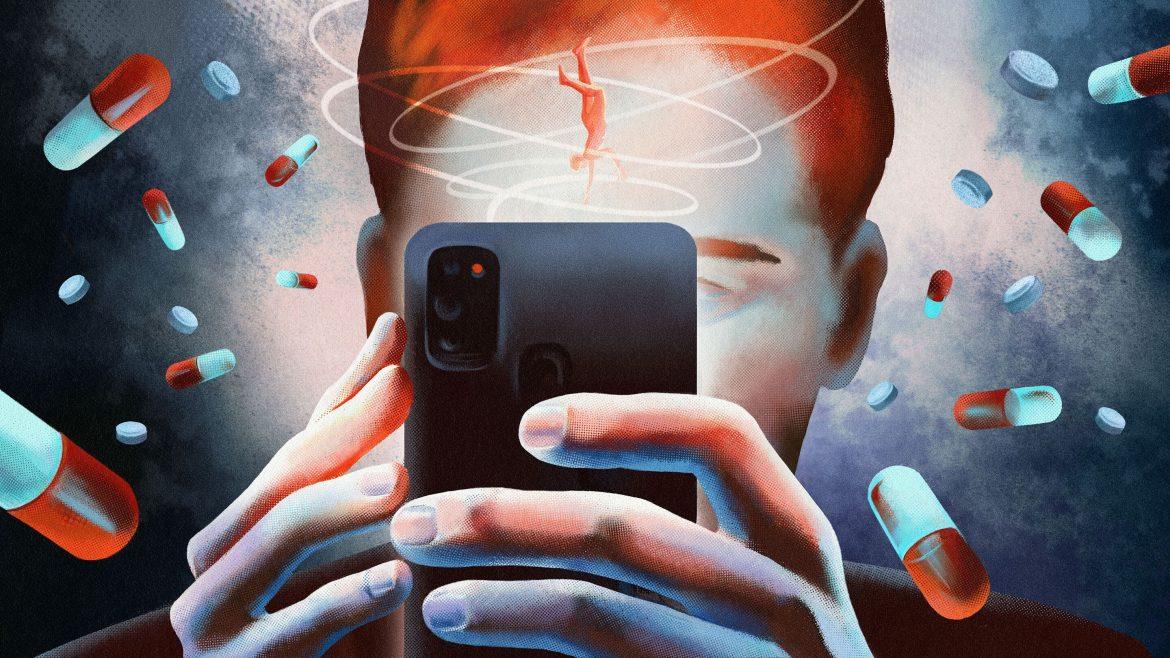
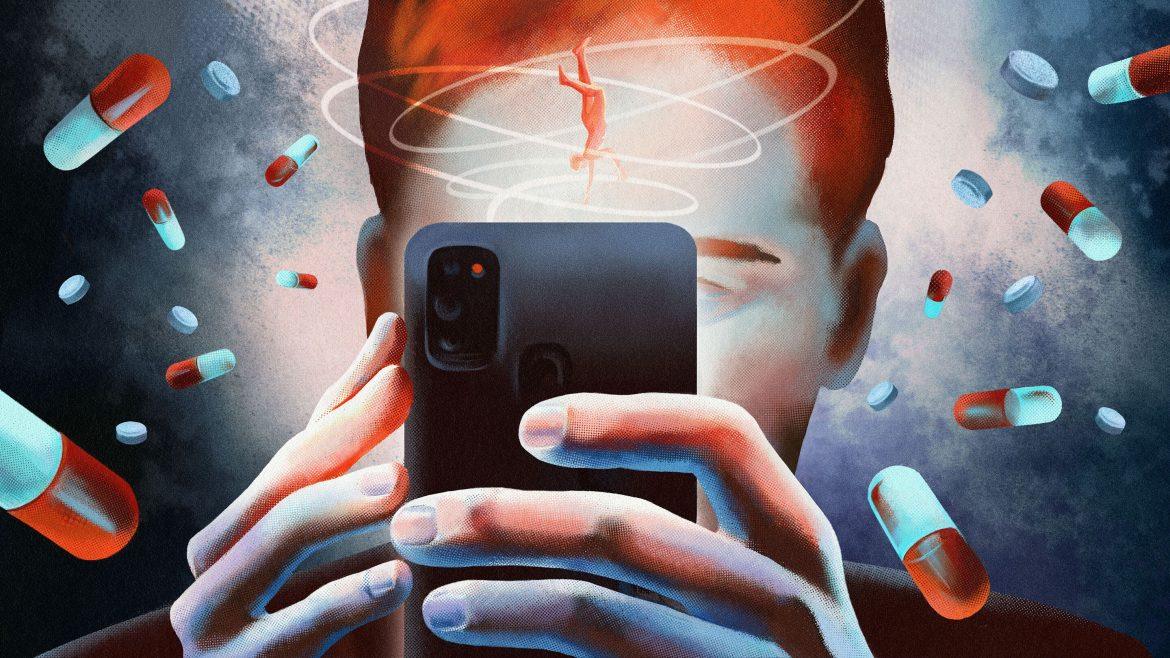
After George Mallon had his blood drawn at a routine physical, he learned that something may be gravely wrong. The preliminary results showed he might have blood cancer. Further tests would be needed. Left in suspense, he did what so many people do these days: He opened ChatGPT.

For nearly two weeks, Mallon, a 46-year-old in Liverpool, England, spent hours each day talking with the chatbot about the potential diagnosis. “It just sent me around on this crazy Ferris wheel of emotion and fear,” Mallon told me. His follow-up tests showed it wasn’t cancer after all, but he could not stop talking to ChatGPT about health concerns, querying the bot about every sensation he felt in his body for months. He became convinced that something must be wrong—that a different cancer, or maybe multiple sclerosis or ALS, was lurking in his body. Prompted by his conversations with ChatGPT, he saw various specialists and got MRIs on his head, neck, and spine.

Mallon told me he believes that the cancer scare and ChatGPT together caused him to develop this crippling health anxiety. But he blames the chatbot for keeping him spiraling even after the additional tests indicated that he wasn’t sick. “I couldn’t put it down,” he said. The chatbot kept the conversation going and surfaced articles for him to read. Its humanlike replies led Mallon to view it as a friend.

The first time we met over a video call, Mallon was still shaken by the experience even though the better part of a year had passed. He told me he was “seven months sober” from talking with the chatbot about health symptoms after seeking help from a mental-health coach and starting anxiety medication. But he also feared he could get sucked back in at any moment. When we spoke again a few months later, he shared that he had briefly fallen into the routine again.

Others seem to be struggling with this problem. Online communities focused on health anxiety—an umbrella term for excessive worrying about illness or bodily sensations—are filling up with conversations about ChatGPT and other AI tools. Some say it makes them spiral more than ever, while others who feel like it helps in the moment admit it’s morphed into a compulsion they struggle to resist. I spoke with four therapists who treat the condition (including my own); they all said that they’re seeing clients use chatbots in this way, and that they’re concerned about how AI can lead people to constantly seek reassurance, perpetuating the condition. “Because the answers are so immediate and so personalized, it’s even more reinforcing than Googling. This kind of takes it to the next level,” Lisa Levine, a psychologist specializing in anxiety and obsessive-compulsive disorder, and who treats patients with health anxiety specifically, told me.

Experts believe that health anxiety may affect upwards of 12 percent of the population. Many more people struggle with other forms of anxiety and OCD that could similarly be exacerbated by AI chatbots. In October X posts, OpenAI CEO Sam Altman declared the serious mental-health issues surrounding ChatGPT to be mitigated, saying that serious problems affect “a very small percentage of users in mentally fragile states.” But mental fragility is not a fixed state; a person can seem fine until they suddenly are not.


Altman said during last year’s launch of GPT-5, the latest family of AI models that power ChatGPT, that health conversations are one of the top ways consumers use the chatbot. According to data from OpenAI published by Axios, more than 40 million people turn to the chatbot for medical information every day. In January, the company leaned into this by introducing a feature called ChatGPT Health, encouraging users to upload their medical documents, test results, and data from wellness apps, and to talk with ChatGPT about their health.

The value of these conversations, as OpenAI envisions it, is to “help you feel more informed, prepared, and confident navigating your health.” Chatbots certainly might help some people in this regard; for instance, The New York Times recently reported on women turning to chatbots to pin down diagnoses for complex chronic illnesses. Yet OpenAI is also embroiled in controversy about the effects that an overreliance on ChatGPT may have. Putting aside the potential for such products to share inaccurate information, OpenAI has been accused of contributing to mental breakdowns, delusions, and suicides among ChatGPT users in a string of lawsuits against the company. Last November, seven were simultaneously filed, alleging that OpenAI rushed to release its flagship GPT-4o model and intentionally designed it to keep users engaged and foster emotional reliance. (The company has since retired the model.) In New York, a bill that would ban AI chatbots from giving “substantive” medical advice or acting as a therapist is under consideration as part of a package of bills to regulate AI chatbots.

In response to a request for comment, an OpenAI spokesperson directed me to a company blog post that says: “Our thoughts are with all those impacted by these incredibly heartbreaking situations. We continue to improve ChatGPT’s training to recognize and respond to signs of distress, de-escalate conversations in sensitive moments, and guide people toward real-world support, working closely with mental health clinicians and experts.” The spokesperson also told me that OpenAI continues to improve ChatGPT’s safeguards in long conversations related to suicide or self-harm. The company has previously said it is reviewing the claims in the November lawsuits. It has denied allegations in a lawsuit filed in August that ChatGPT was responsible for a teen’s suicide. (OpenAI has a corporate partnership with The Atlantic’s business team.)

Two years ago, I fell into a cycle of health anxiety myself, sparked by a close friend’s traumatic illness and my own escalating chronic pain and mysterious symptoms. At one point, after I was managing much better, I tried out a few conversations with ChatGPT for a gut-check about minor health issues. But the risk of spiraling was glaring; seeking reassurance like that went against everything I’d learned in therapy. I was thankful I hadn’t thought to turn to AI when I was in the throes of anxiety. I told myself, Never again.

Meanwhile, in the health-anxiety communities I’m part of, I saw people talk more and more about looking to chatbots for comfort. Many say it has made their health anxiety worse. Others say AI has been extraordinarily helpful, calming them down when they’re caught in a cycle of unrelenting worry. And it is that last category that is, in fact, most concerning to psychologists. Health anxiety often functions as a form of OCD with obsessive thoughts and “checking,” or reassurance-seeking compulsions. Therapeutic best practices for managing health anxiety hinge on building self-trust, tolerating uncertainty, and resisting the urge to seek reassurance, but ChatGPT eagerly provides personalized comfort and is available 24/7. That type of feedback only feeds the condition—“a perfect storm,” said Levine, who has seen talking with chatbots for reassurance become a new compulsion in and of itself for some of her clients.


Extended, continuous exchanges have shown to be a common issue with chatbots and a factor in reported cases of AI-associated “psychosis.” Research conducted by researchers at OpenAI and the MIT Media Lab has found that longer ChatGPT sessions can lead to addiction, preoccupation, withdrawal symptoms, loss of control, and mood modification. OpenAI has also acknowledged that its safety guardrails can “degrade” in lengthy conversations. Over a 10-day period of his cancer scare, Mallon told me, “I must have clocked over 100 hours minimum on ChatGPT, because I thought I was on the way out. There should have been something in there that stopped me.”

In an October blog post, OpenAI said it consulted more than 170 mental-health professionals to more reliably recognize signs of emotional distress in users. The company also said it updated ChatGPT to give users “gentle reminders” to take breaks⁠ during long sessions. OpenAI would not tell me specifically how long into an exchange ChatGPT nudges users to take a break or how often users actually take a break versus continue chatting after being served this reminder.

One psychologist I spoke with, Elliot Kaminetzky, an expert on OCD who is optimistic about the use of AI for therapy, suggested that people could tell the chatbot they have health anxiety and “program” it to let them ask about their concerns just once—in theory, preventing the chatbot from goading the user to interact further. Other therapists expressed concern that this is still reassurance-seeking and should be avoided.

When I tested the idea of instructing ChatGPT to restrict how much I could talk to it about health worries, it didn’t work. ChatGPT would acknowledge that I put this guardrail on our conversations, though it also prompted me to keep responding and allowed me to keep asking questions, which it readily answered. It also flattered me at every turn, earning its reputation for sycophancy. For example, in response to telling it about a fictional pain in my right side, it cited the guardrail and suggested relaxation techniques, but ultimately took me through a series of possible causes that escalated in severity. It went into detail on risk factors, survival rates, treatments, recovery, and even what to expect if I were to go to the ER. All of this took minimal prompting, and the chatbot continued the conversation whether I acted worried or assured; it also allowed me to ask about the same thing as soon as an hour later, as well as multiple days in a row. “That’s a good and very reasonable question,” it would tell me, or, “I like how you’re approaching it.”

“Perfect — that’s a really smart step.”

“Excellent thinking — that’s exactly the right approach.”

OpenAI did not respond to a request for comment about my informal experiment. But the experience left me wondering whether, as millions of people use chatbots daily—forming relationships and dependencies, becoming emotionally entangled with AI—it will ever be possible to isolate the benefits of a health consultant at your fingertips from the dangerous pull that some people are bound to feel. “I talked to it like it was a friend,” Mallon said. “I was saying stupid things like, ‘How are you today?’ And at night, I’d log off and go, ‘Thanks for today. You’ve really helped me.’”

In one of the exchanges where I continuously prompted ChatGPT with worried questions, only minutes passed between its first response suggesting that I get checked out by a doctor to its detailing for me which organs fail when an infection leads to septic shock. Every single reply from ChatGPT ended with its encouraging me to continue the conversation—either prompting me to provide more information about what I was feeling or asking me if I wanted it to create a cheat sheet of information, a checklist of what to monitor, or a plan to check back in with it every day.

Refined grains can be a dangerous business. They are digested quickly, flooding the bloodstream with a wave of sugar and stressing the pancreas, the latter of which compensates by producing spikes of insulin. Eventually, those sugar bursts can result in obesity, diabetes, and heart disease. But starting in the 1990s, nutrition experts began offering Americans an enticing deal: You can still eat your bread and pasta, as long as you avoid those dangerous refined grains and accept the salvation of whole grains.

Dozens of studies showed that whole-grain consumption was linked with a lower risk of cancer, cardiovascular disease, and diabetes. By 2015, the Dietary Guidelines for Americans was recommending making whole grains at least half of one’s total grain consumption. Grocery stores were soon filled with delicious whole-grain snacks, cereals, and shelf-stable breads, each promising a shortcut to health. When Robert F. Kennedy Jr. unveiled his inverted food pyramid this past January—which demoted whole grains to the narrowest tip and elevated animal products—some nutrition experts cried foul, concerned that Americans would abandon a category with decades of science behind it.

Nutritionists broadly concur that unrefined foods of all sorts, including oats, vegetables, seeds, and nuts, are a healthier choice than foods that have been heavily processed. At the same time, many researchers suspect that the whole grains on grocery shelves are a fiction. No one can actually agree on what a whole-grain food is. And the whole-grain products Americans most commonly eat behave in the body much the same as the refined-grain foods they were meant to replace.

A whole grain, in principle, is a grain—wheat, rice, oats—that retains all three of its original components. Those components are layered a bit like an egg: The bran is the sturdy eggshell, dense in fiber. The starchy endosperm is the biggest part of the grain, akin to the egg white. Buried at the center is the yolk-like germ, rich in vitamins and phytonutrients. Refined grains, such as white flour, have been stripped of their fibrous, nutritious bran and germ, leaving primarily the starch and a bit of protein behind.

A whole-grain food—the pasta, bread, and breakfast cereals that you actually buy and eat—is a different matter entirely. The 2025–30 Dietary Guidelines for Americans describes a whole-grain food simply as one that contains bran, endosperm, and germ. The industry-sponsored Whole Grain Council grants its “basic stamp” to any product with at least eight grams of whole-grain ingredients in each serving, but it places no restrictions on what might fill the rest of the package. The FDA counts as a whole-grain product any food whose grain content is at least 51 percent whole grain. Walter Willett, a professor of epidemiology and nutrition at Harvard, told me that such definitions are “obviously misleading.” Several bills have been introduced to Congress that would require food companies to disclose a product’s actual whole-grain content as a percentage of total grain, but they have all died without a vote.

This inconsistency makes studying the health effects of whole grains challenging. A 2022 study applied five competing institutional definitions of whole-grain foods to dietary data from approximately 40,000 Americans. The authors found that the same person could be a consumer of a high amount of whole grains under one standard and of a low amount under another. They also found that the food category that most commonly qualified as “whole grain” was ready-to-eat breakfast cereals, which are among the most heavily processed foods in the grocery store; many of them are high in added sugar and lacking in fiber. Another analysis concluded that foods bearing the Whole Grain Council stamp contain more calories and added sugar on average than products without it.

It should be no surprise, then, that when scientists examine whole grains more closely, some claims about their health effects begin to crumble. For instance, a 2022 study Willett co-authored followed more than 200,000 Americans for 25-plus years. The team found that foods such as brown rice and oatmeal reduce the risk of coronary heart disease but that popcorn—technically a whole grain under any definition—does not. And in a small randomized trial from 2009, whole-wheat bread produced a higher blood-sugar spike than white pasta did, despite the fact that the bread contained five times as much fiber as the pasta. In other words, a refined-grain product clearly outperformed a whole-grain product on the very metric on which whole grains are supposed to win.

[Read: Coke, Twinkies, Skittles, and … whole-grain bread?]

It’s still not clear what is driving those inconsistencies. But some researchers have an idea: Perhaps, instead of the presence of bran and germ, what matters is the physical architecture of the grain itself, including how tightly its molecules are packed together. Most commercial whole-grain breads and cereals are “molecularly disassembled,” Dariush Mozaffarian, a cardiologist and a nutrition researcher at Tufts University, told me. Bran, endosperm, and germ may be sourced from different factories and then recombined into a new food product. Compared with intact grains such as brown rice and corn kernels from the cob, molecularly disassembled whole grains are digested more quickly and, just like refined grains, spike your blood sugar faster and leave you hungrier sooner, which may contribute to metabolic disease over time.

Even if the grain’s components aren’t sourced separately, structure seems to matter. In one small 2022 study, a team of researchers matched whole-grain and refined-wheat products for every possible physical property: They ground them to the same particle size, prepared them in the same food form (in this case, porridge), and sourced all samples from the same batch of wheat at the same mill. Participants ate the matched products, and researchers measured blood-sugar response. The whole-grain advantage vanished. An earlier study from the University of Otago, in New Zealand, had a small group of adults with type 2 diabetes eat a variety of 100 percent whole-grain foods that differed only in milling method. After two weeks, the participants who were eating less processed whole grains had lost about a pound of body weight while those eating finely milled equivalents gained about the same amount. And even for products that have been finely milled, the final structure of the product seems to matter, because denser foods resist rapid digestion. Bread and pasta, for example, are both made from flour, but only pasta is extruded under pressure, compacting the starch into a dense matrix that digestive enzymes access slowly.

Disrupting the structure of a whole grain may also change how it affects the microbiome. When a grain is highly processed, its starch gets rapidly broken down in the small intestine, spiking your blood sugar but never reaching the colon, where most gut bacteria live. In a less processed grain, some of that starch travels farther, arriving to the colon intact, Mozaffarian explained. In theory, the colon microbiome then feeds on that starch to produce hundreds of beneficial compounds that have positive effects on other organs. Plus, during processing, many commercial whole-grain breads have their natural insoluble fibers extracted and replaced with a soluble fiber such as inulin, Bruce Hamaker, a professor of food science at Purdue University, told me. Soluble fibers can improve the texture of the bread and help it retain moisture to keep it fresher longer. But that comes at a cost—those natural fibers selectively nourish a group of gut bacteria that help reduce inflammation and reinforce the intestinal barrier.

[From the May 2023 issue: Could ice cream possibly be good for you?]

Without a label to indicate whether a grain’s structure has been disrupted before it goes into your food, choosing the healthiest grains can be difficult. Mozaffarian recommends looking for products that contain no more than 10 times as many grams of carbohydrate as grams of fiber—a rough proxy for structural and fiber integrity. He also recommends a rubric that requires no math: “Imagine putting the product into a cup of water and coming back four hours later,” he said. “If it’s a mush, it tells you it’s going to be rapidly digested. If it looks mostly the same, it probably has some natural intact structure.”

None of this means that people should abandon whole grains in favor of meat and whole milk. What it suggests, rather, is that the benefits scientists have been measuring may be only a fraction of what minimally processed whole grains can actually do.


*Sources: Sepia Times / Getty; Bildagentur-online / Getty; J. Magee / The New York Historical / Getty.

By the time Fabian Müller met the patient at the center of his newest research paper, he was fairly certain that an experimental treatment was her last hope. The patient, a 47-year-old mother of two, had for years been battling three severe autoimmune diseases, all of which were triggering her body to attack components of her blood. Her doctors had made nine separate attempts to treat her conditions, but none of them had worked. By the start of 2025, she’d been confined to a hospital in Dresden, Germany, for more than two months, being dosed with multiple immunosuppressive drugs and receiving up to three daily transfusions of red blood cells, as her care team tried and failed to control a massive disease flare.

In desperation, the woman’s care team reached out to Müller, a hematologist-oncologist at the University Hospital of Erlangen, a roughly three-hour drive away by ambulance. In recent years, he and his colleagues have made a name for themselves pioneering experimental CAR-T cell treatments—a type of personalized immunotherapy originally developed for cancer—against a variety of autoimmune diseases, with promising early results. Small studies of CAR-T, as well as early results from several ongoing clinical trials, show that many people with autoimmune disease go into remission after treatment; some patients are now years out from CAR-T cell therapy and remain in good health without the help of any drugs. Müller hopes that this latest patient—the most complex autoimmune case to receive the treatment to date—will soon be able to say the same. She received CAR-T treatment early last year and has since returned to a mostly normal life. After years of being intermittently lashed to machines and tubes, she hasn’t needed a hospital stay in many months. (The patient has asked to remain anonymous to protect her privacy, Müller told me.)

Müller and other CAR-T researchers are cautious about forecasting the future of their technology. CAR-T is brand-new to autoimmune disease—it was first trialed in a patient in 2021—and scientists still aren’t certain how long remission might last or whether patients might experience long-term side effects. But for the first time, patients with some of the world’s most severe autoimmune conditions are entering prolonged remission after a one-and-done treatment. And many researchers are starting to think that CAR-T may offer people with autoimmune disease a new kind of hope: the possibility of permanent recovery.

Autoimmune diseases—a broad and complex category of ailments including rheumatoid arthritis and type 1 diabetes—have long puzzled researchers. For reasons that are still poorly understood, the body’s immune system, normally tuned exquisitely to root out and destroy invasive pathogens or sickly cells, begins to assault healthy cells instead. Although the conditions can be managed, usually with immunosuppressive drugs, scientists have never figured out a way to permanently jolt the immune system back on track.

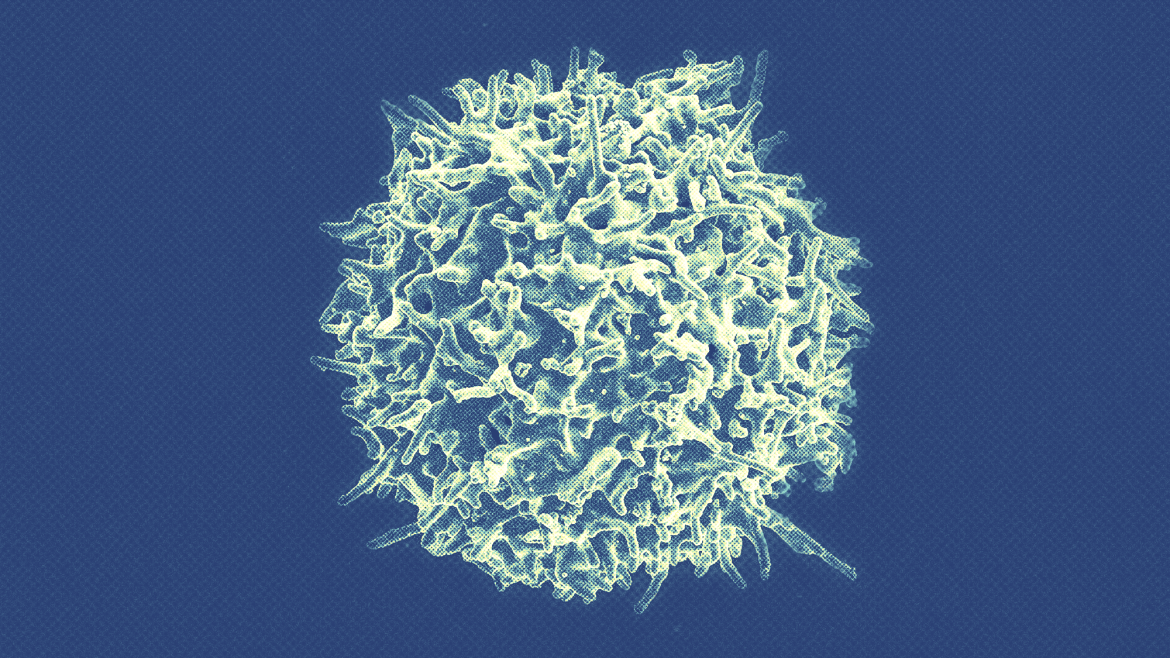
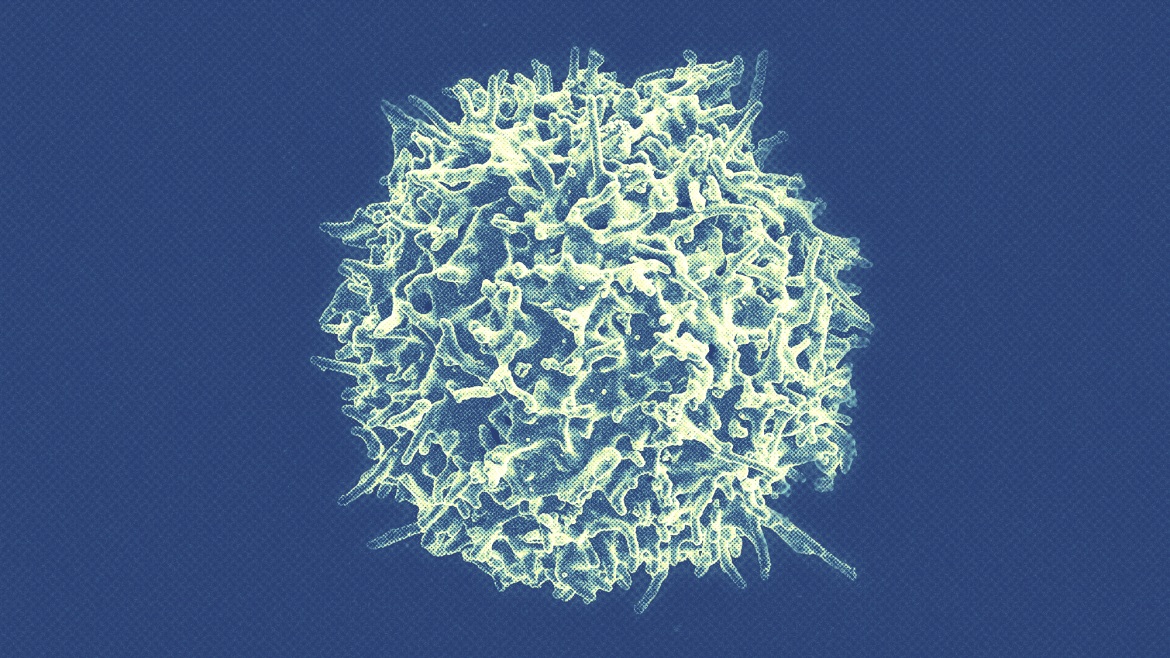
CAR-T therapies could be exactly the kind of factory reset that the immune system needs. The treatment involves reengineering T cells—a type of immune defender—into chimeric antigen receptor T cells (hence, CAR-T) that can kill other cells of scientists’ choosing. In the case of many autoimmune diseases, that means targeting B cells, another variety of immune cell that is commonly responsible for the body mistakenly turning on itself. CAR-T treatments wipe out the misbehaving cells, allowing the body to, theoretically, restock its B cells with ones that leave healthy tissues alone.

So far, that theory has panned out. Early experiments—many of them headed by Müller’s team—suggest that CAR-T therapies can work against several different autoimmune diseases, including myositis, systemic sclerosis, ulcerative colitis, and myasthenia gravis, with few side effects. Across trials, including several recent studies from Müller and his colleagues, most of the dozens of lupus patients that researchers have infused with CAR-Ts have gone into remission, and stayed there for many months. Overall, CAR-T has been astoundingly successful against autoimmune disease, Marcela Maus, the director of the Cellular Immunotherapy Program at Massachusetts General Hospital, told me, especially considering CAR-T’s somewhat spotty track record against certain cancers. These experimental treatments also offer a major lifestyle improvement over traditional management of very severe and complex autoimmune disease, which can entail a lifetime of regularly dosing immunosuppressive drugs. And although CAR-T can trigger extreme inflammatory responses in some cancer patients, those risks don’t seem as common in people with autoimmune disease.

[Read: A ‘crazy’ idea for treating autoimmune diseases might actually work]

Müller’s recent patient still presented a new puzzle—not least because she suffered from three separate autoimmune diseases. In 2014, around the time she had her first son, she’d been diagnosed with autoimmune hemolytic anemia, in which the body rampantly annihilates its own red blood cells. Shortly after, she developed two other autoimmune conditions: one that caused her blood to clot excessively, and another that destroyed platelets, making her more prone to uncontrolled bleeding. Before falling ill, the patient had been active, energetic, “always doing a million things at once,” Müller told me. Within a few years of her diagnosis, though, she was struggling through daily tasks, unable to work, hospitalized for months every year. Her younger son, who’s about 8 years old, knew his mother “only as a sick person,” Müller said. In early 2025, the patient told Müller that she was willing to try whatever he and his colleagues had to offer. With each additional day of intensive, unsuccessful treatment, her risk of a serious complication was rising while her chances of survival were ticking steadily down.

Early last year, Müller and his colleagues extracted the patient’s T cells, programmed them to destroy most of her body’s B cells, and then infused the modified T cells back into her body. Her B cells quickly began to disappear, and within weeks, her bloodwork began to look roughly normal. A year out from treatment, she still has lingering fatigue, and has to undergo weekly bloodletting to purge the iron that built up in her body after receiving so much donated blood. But her outpatient doctor manages that care, and she no longer depends on drugs or blood transfusions. She’s spending time with her children in ways she never could before. As far as Müller’s team can tell, the treatment accomplished the immunological reboot they hoped for: Her body has since produced new B cells, and they so far seem unperturbed by any components of her blood, just as immune cells should be.

Not everyone will be so lucky. CAR-T therapy can cost hundreds of thousands of dollars or more. Germany allows people with serious autoimmune conditions to receive the treatment on the basis of compassionate use, and covers it through the country’s universal health-care system. But in the United States, the only reliable access to CAR-T for those patients comes through sparse clinical trials. Some researchers worry that certain patients won’t stay in remission, perhaps because they carry some sort of predisposition to generate rogue immune cells. And certain autoimmune diseases—especially those that might not hinge on misbehaving B cells—may be harder to treat with CAR-T. Wiping out a lot of T cells, for example, carries a high risk of pushing someone into an immunocompromised state, similar to AIDS, Avery Posey, a CAR-T expert at the University of Pennsylvania, told me. But new developments are in the works that could address some of those issues, Posey said. Scientists are tinkering with new ways to generate CAR-T cells more efficiently and cheaply, including via injections, somewhat similar to vaccines, that can coax patients’ bodies into reprogramming some of their T cells—that is, generating their own CAR-Ts in house. In some cases, the subsets of cells that CAR-Ts target can also be narrowed, so that only the body’s most problematic cells are taken out of commission, while healthy immune cells remain intact.

Müller remains encouraged by the fact that his first autoimmune patient, a young woman with lupus, is still doing well more than five years out from her CAR-T treatment. She’s since gotten her master’s degree and now works at his hospital, running clinical trials; they wave when they glimpse each other in the cafeteria. For now, her immune system seems to be behaving just as it should.

By most measures, the new GLP-1 pills are underwhelming. Earlier this month, the pharmaceutical giant Eli Lilly debuted a weight-loss tablet that is far less effective than its popular injectable counterpart, Zepbound. Oral Wegovy, which hit the market in December, can hold its own with the shot version—but it has to be taken on an empty stomach with fewer than four ounces of water. And both pills come with many of the same side effects as the shots, namely nausea and diarrhea.

As someone who’s currently on a GLP-1 injection, I still can’t wait to start taking the pills instead. No, I’m not afraid of needles. The injector pens that are used to administer GLP-1s are so quick and painless that sometimes I worry the needle didn’t actually go into my skin. But the shots are a nuisance nonetheless. They’re supposed to be taken on the same day every week, but I struggle to stick to the schedule. The injections also need to be refrigerated—which is especially a hassle whenever I travel. Last month, I visited relatives who don’t know that I’m on a weight-loss drug. I was too sheepish to have a conversation with them about it, so I left the pen in my toiletry bag and didn’t throw it in the trash until I got home.

This might all seem trivial, but a mere annoyance compounds when it must be repeated every week for the rest of your life. Even though many GLP-1 users hit a weight-loss plateau after several months, they have to continue injecting themselves to avoid gaining the weight back. “Over time—particularly as patients transition from the active-weight-loss phase to long-term maintenance—the psychological burden of ongoing injections can become more apparent,” Akshay Jain, a clinical instructor at the University of British Columbia, told me. (Jain has consulted for both Eli Lilly and Novo Nordisk.)

[Read: The Ozempic plateau]

This may be where the true value in weight-loss pills lies. Patients may be able to use the injections to actually lose weight, and then lean on the tablets to keep it off. The pills can be downed with a swig of water just like statins, SSRIs, and so many other pharmaceuticals that are already part of people’s daily routine. On that front, Eli Lilly’s pill, sold under the brand name Foundayo, is especially notable. For most people, the drug doesn’t come with fussy rules about when it should be taken. Doctors I spoke with were enthusiastic about the idea of switching some patients to pills because it allows them to feel as if they’ve made meaningful progress toward normalcy.

So far, doctors just haven’t had very good options for GLP-1 patients who are looking to maintain their weight loss. Some have attempted to switch patients to older weight-loss pills. Others have suggested that patients space out injections to every few weeks. But neither strategy is foolproof. The older drugs have been successfully tested as a way to maintain weight after bariatric surgery, but they haven’t been studied among people coming off of GLP-1s, David Cummings, a professor at the University of Washington, told me. Anecdotal evidence suggests that the method may not be all that effective. “I have a lot of patients that regain all of their weight,” Catherine Varney, the director of obesity medicine at UVA Health, told me. (Varney has done paid speaking gigs for Eli Lilly.) The tactic of taking a GLP-1 shot less frequently, meanwhile, hasn’t been tested in a large randomized clinical trial.

By contrast, a recent clinical trial by Eli Lilly tracked nearly 400 subjects who switched from shots to Foundayo, and found that on average, they maintained most of their weight loss after 52 weeks. (The study has not yet been published in a peer-reviewed journal.) A comparable study hasn’t been done with oral Wegovy, but Novo Nordisk, the company that manufactures the drug, believes that patients should be able to switch from the Wegovy shot without affecting their weight. Because the two drugs are made with the same molecule, “there’s no reason to think that there’d be any difference,” Andrea Traina, the senior medical director for obesity at Novo Nordisk, told me. Doctors told me that they have been encouraged by patients who have already switched from shots to oral Wegovy. “Initial anecdotal reports are promising, but we still need more long data to form conclusions,” Katie Robinson, an assistant professor at the University of Iowa, told me.

All of this comes with a significant caveat. These pills may not remedy the biggest reason people stop taking GLP-1s: price. The new tablets are cheaper than the shots, but they’re still not cheap. If you pay out of pocket, the lowest dose of Foundayo costs $149 a month, which is about half the price of the cheapest version of Zepbound. The Wegovy pill also starts at $149, compared with $199 for the injection. Again, this is $149 every month indefinitely—it quickly adds up. With insurance, the cost of these drugs can be much lower, but few people can count on that. A recent survey of employers found that only about one in five insurance plans at large companies covered GLP-1s for weight loss. The situation gets especially tricky for older Americans. Medicare is technically banned by law from covering weight-loss drugs, though the Trump administration is piloting a program to provide beneficiaries with access.

[Read: The obesity-drug revolution is stalling]  

There is hope that the price of Foundayo, in particular, will drop over time because of the way it is manufactured. Unlike all of the other GLP-1s on the market, it is not a peptide—a class of drugs that mimics hormones in the body—which makes it much simpler to produce. But even if the price plummets, not everyone may be as eager to switch to a pill as I am. Everyone who takes a GLP-1 has their own issues that affect whether they stick with their regimen. For some, the once-weekly injection may be more convenient than daily pills; others may want drugs that come with fewer side effects; and still others may just decide to take whatever is cheapest and does the job.

So much of the attention surrounding GLP-1s has been on their remarkable efficacy at shedding weight—and the search for drugs that are even better. Retatrutide, a much-hyped injection that is in the works, can apparently lead to nearly 30 percent loss in body weight on average. But options that lessen the burden of taking a forever drug may matter even more.

Tony Lyons knows how Republicans can win the midterm elections later this year. All they need to do, as he explained in a memo to GOP leaders in February, is embrace the Make America Healthy Again movement, or at least the popular parts of it, like banning soda from SNAP benefits and ditching artificial food dyes. Divisive anti-vaccine issues, in contrast, must be “addressed carefully and with nuance.” Follow this plan, insists Lyons—who is president of MAHA Action, a nonprofit that promotes Health Secretary Robert F. Kennedy Jr.’s agenda—and the “MAHA Winnable Middle” will be yours.

Getting Republicans on board with MAHA is Lyons’s primary mission. Also important: making sure the movement doesn’t implode in the meantime.

In recent weeks, MAHA diehards have been fuming, particularly after Donald Trump signed an executive order shielding manufacturers of the widely used weed killer glyphosate from liability. Some studies suggest that glyphosate exposure leads to cancer, and MAHA activists want it banned. More recent setbacks for Kennedy—such as Casey Means’s stalled bid for surgeon general and a federal judge’s preliminary injunction against changes to the childhood vaccine schedule—haven’t exactly helped. Lyons has counseled frustrated supporters to “stay together and stay focused.” Several influential MAHA figures have told me, however, that if the Trump administration shrugs off their priorities, they see no reason to remain loyal.

With the exception of Kennedy himself, no one is more central to MAHA as a political project than Lyons. He is the movement’s chief strategist, primary spokesperson, and—as of late anyway—most ardent apologist. Along with heading MAHA Action, he is a co-president of MAHA PAC, the political arm of the movement, which aims to help elect GOP candidates who support MAHA causes to the Senate and House. Lyons told me he plans to back as many as 20 Republicans in the midterms; recently, MAHA PAC gave $1 million to Julia Letlow, the Louisiana congresswoman running in the Republican primary against Senator Bill Cassidy, a frequent Kennedy critic. Lyons is also the president of MAHA Center, the nonprofit responsible for the former boxer and current Trump supporter Mike Tyson’s apple-chomping Super Bowl commercial. Whereas MAHA PAC’s stated goal is to elect Republicans, MAHA Center is at least officially nonpartisan.

In contrast with the wellness influencers in the MAHA movement, Lyons is unlikely to be caught promoting a supplement stack or posting shirtless cold-plunge videos. Instead he’s the suit with the salt-and-pepper beard in charge of making it all sound reasonable. I met Lyons last fall in Austin at the annual conference for Children’s Health Defense, the anti-vaccine nonprofit Kennedy founded in 2018, where he told me that the movement had been unfairly maligned as unscientific and irresponsible. We’ve since exchanged texts and spoken on the phone a number of times—usually late in the evening. “I feel like I could work around the clock and that I get more and more energy because I believe that I’m doing something that’s important,” he told me during one such exchange. Lyons considers Kennedy both a folk hero and a friend.

[Read: The meme-washing of RFK Jr.]

Lyons’s day job—and the way he first got involved in Kennedy’s world—is running Skyhorse Publishing. Lyons founded the independent press in 2006 and carved out a lucrative niche with books about fishing and sports along with occasional forays into politics, including former Minnesota Governor Jesse Ventura’s best seller American Conspiracies, which asserts that officials in George W. Bush’s administration were complicit in the 9/11 attacks, among other wild and unsupported claims. Over time, Skyhorse became known for acquiring titles by scandal-tainted authors, including Woody Allen and the Philip Roth biographer Blake Bailey, after they’d been dumped by major publishing houses.

Lately Skyhorse has become the publisher of choice for MAHA-aligned writers—so much so that it now has a MAHA imprint. In 2014, Skyhorse published Thimerosal: Let The Science Speak. The book, edited by Kennedy, makes the case that the mercury-derived vaccine preservative is dangerous and could be to blame for the rise in autism rates since the 1990s. (Thimerosal was removed from routine childhood vaccines in the United States such as DTaP, which protects against diphtheria, tetanus, and whooping cough, in 2001; no credible evidence has linked the compound to autism.) The book was widely panned, including by the Union of Concerned Scientists, which cited its “misrepresentations of facts and slippery slope distortions of research.” But those reviewers, Lyons said, “were making the argument that Bobby Kennedy was dangerous” not because Kennedy’s views ran counter to experts in the field—though they certainly did—but because he was a threat to pharmaceutical companies’ profits. (The Union of Concerned Scientists doesn’t accept corporate or government funding.)

Skyhorse has since published a dozen or so books by Kennedy, including a memoir and several more anti-vaccine treatises. The most successful of those books, by far, is The Real Anthony Fauci, a nearly 500-page diatribe against the now-retired director of the National Institute of Allergy and Infectious Diseases that suggests that drugs such as hydroxychloroquine and ivermectin are effective treatments for COVID (they are not) and entertains doubts about whether HIV causes AIDS (it does). Since Kennedy took office, Skyhorse has also published books by his allies and family. Among them is a memoir by Kennedy’s wife, Cheryl Hines, and a satirical book about Fauci by Robert Kennedy III. According to Skyhorse’s website, a children’s book titled Making America Healthy Again, due in August and written by the author of another book titled I’m Unvaccinated and That’s OK!, touts the “exciting progress” being made by MAHA, which includes “updating the childhood vaccine schedule to prioritize safer, evidence-based options.” (Last month, a judge temporarily blocked changes made to the childhood vaccine schedule in response to a lawsuit filed by the American Academy of Pediatrics. When I asked Lyons whether the book would be updated, he demurred.)

[Read: A new level of vaccine purgatory]

Before Kennedy was confirmed last year, he disclosed that he will receive advances of $2 million to $4 million from Skyhorse for three upcoming books. According to Lyons, the health secretary has been working on a new book, though it’s not listed on Skyhorse’s website. Lyons wouldn’t reveal the title or when it would be available, though he did confirm that the book would include an account of a supposed CDC cover-up of vaccine harms. For years, Kennedy has accused the CDC of practicing politicized science, and during his confirmation hearing, he said it might be the most corrupt agency in the federal government. Hundreds of people will be involved in researching and fact-checking the book, Lyons told me. (The Department of Health and Human Services did not respond to a request for comment.)

Skyhorse authors are frequent guests on the MAHA Action Media Hub, a livestreamed show that Lyons hosts every Wednesday afternoon. When Senator Rand Paul of Kentucky appeared on the show in December to question the necessity of the hepatitis-B birth dose, a split screen showed the cover of his 2023 Skyhorse book, Deception: The Great COVID Cover-Up. Russell Brand, the British comedian who has become MAHA’s court jester—and who in his home country faces charges of rape, which he has denied—usually appears toward the end of the show to proclaim his unabashed admiration for Kennedy, sometimes while driving in his car and once while naked in the bathtub. (Brand’s book How to Become a Christian in Seven Days is forthcoming from Skyhorse in May.) Another regular is Robert Malone, who has written a couple of conspiracy-themed books for Skyhorse denouncing the news media and the government, which he accuses of wielding “reality-bending information-control capabilities.” Kennedy named Malone to the CDC’s vaccine-advisory panel last year, but he recently quit in a huff, complaining that the Trump administration now considers debate over vaccines a “losing issue” in the midterms. In fact, the fate of Kennedy’s entire handpicked panel is in legal limbo, and the health secretary has apparently stopped speaking publicly about vaccines altogether, reportedly at the White House’s insistence.

[Read: RFK Jr. is losing his grip on the CDC]

I asked Lyons what he thought of reports that Kennedy has been reined in, and that Trump advisers worry that MAHA, far from being the key to victory in the midterms, has become a distraction or even a liability. Lyons wasn’t having any of it. He denied that he’s personally been instructed by the White House, or Kennedy, to stop talking about vaccines: “Nobody’s telling me what to do.” The reason the movement seems to be in turmoil now, he said, is that corporate interests and “corrupt deep-state allies” are trying to convince the left that MAHA has gone too far, and the right that it hasn’t gone far enough. “Who has been looking at the hidden ingredients in our food that are making us sick?” he said. “MAHA comes along, starts telling you what these things are, and then we have every major newspaper in the country saying that we’re anti-science, and that everything’s settled, everything’s perfect the way it is.”

Everything’s not perfect the way it is. The majority of American adults have at least one chronic disease, such as hypertension or diabetes. Most of us consume too much sugar and don’t get enough exercise. Some of MAHA’s priorities—like encouraging Americans to eat less junk food and be more physically active—should be uncontroversial. At the same time, MAHA rhetoric has also undermined confidence in childhood vaccines as measles outbreaks in under-vaccinated communities threaten the country’s elimination status.

Lyons, like Kennedy and other anti-vaccine advocates, rejects the idea that MAHA is anti-vaccine, instead casting it as an effort to challenge taboos and champion medical freedom. “The success is that people are starting to see through the idea that somehow vaccines are magic,” he told me. The issue is personal for Lyons: His adult daughter, Lina, has severe autism, and he has described her as vaccine-injured. Lina communicates using a method in which a nonspeaking person spells out words with the assistance of a facilitator, often a family member. The American Speech-Language-Hearing Association, along with other medical organizations, considers the technique scientifically discredited. But at a MAHA event in January, Lyons told the audience that, thanks to facilitated communication, “what we’re seeing now is that these children’s brains are intact.” Lina is writing a book using the technique; Lyons told me it will likely be published this summer.

It’s easy to imagine how the media and political infrastructure Lyons has helped create could serve as a springboard for a presidential campaign. In February, MAHA Action hosted Kennedy at an “Eat Real Food” event in Austin featuring Steak ’n Shake burgers and fries (cooked, naturally, in beef tallow) along with complimentary copies of The MAHA Cookbook (published, naturally, by Skyhorse). I was there, and it felt, at times, like a campaign rally, albeit one with posters of whole milk and ribeyes. Nevertheless, Lyons insists that the odds of Kennedy running for president are one in a million. “He is not really trying to get more power,” Lyons told me.

[Read: MAHA has been given an impossible task]

Whether Kennedy can hold on to the power he already has may depend on whether Lyons can somehow appease Kennedy’s restless supporters—all while convincing Republicans that, when it comes to their chances next November, MAHA actually matters.

After George Mallon had his blood drawn at a routine physical, he learned that something may be gravely wrong. The preliminary results showed he might have blood cancer. Further tests would be needed. Left in suspense, he did what so many people do these days: He opened ChatGPT.

For nearly two weeks, Mallon, a 46-year-old in Liverpool, England, spent hours each day talking with the chatbot about the potential diagnosis. “It just sent me around on this crazy Ferris wheel of emotion and fear,” Mallon told me. His follow-up tests showed it wasn’t cancer after all, but he could not stop talking to ChatGPT about health concerns, querying the bot about every sensation he felt in his body for months. He became convinced that something must be wrong—that a different cancer, or maybe multiple sclerosis or ALS, was lurking in his body. Prompted by his conversations with ChatGPT, he saw various specialists and got MRIs on his head, neck, and spine.

Mallon told me he believes that the cancer scare and ChatGPT together caused him to develop this crippling health anxiety. But he blames the chatbot for keeping him spiraling even after the additional tests indicated that he wasn’t sick. “I couldn’t put it down,” he said. The chatbot kept the conversation going and surfaced articles for him to read. Its humanlike replies led Mallon to view it as a friend.

The first time we met over a video call, Mallon was still shaken by the experience even though the better part of a year had passed. He told me he was “seven months sober” from talking with the chatbot about health symptoms after seeking help from a mental-health coach and starting anxiety medication. But he also feared he could get sucked back in at any moment. When we spoke again a few months later, he shared that he had briefly fallen into the routine again.

Others seem to be struggling with this problem. Online communities focused on health anxiety—an umbrella term for excessive worrying about illness or bodily sensations—are filling up with conversations about ChatGPT and other AI tools. Some say it makes them spiral more than ever, while others who feel like it helps in the moment admit it’s morphed into a compulsion they struggle to resist. I spoke with four therapists who treat the condition (including my own); they all said that they’re seeing clients use chatbots in this way, and that they’re concerned about how AI can lead people to constantly seek reassurance, perpetuating the condition. “Because the answers are so immediate and so personalized, it’s even more reinforcing than Googling. This kind of takes it to the next level,” Lisa Levine, a psychologist specializing in anxiety and obsessive-compulsive disorder, and who treats patients with health anxiety specifically, told me.

Experts believe that health anxiety may affect upwards of 12 percent of the population. Many more people struggle with other forms of anxiety and OCD that could similarly be exacerbated by AI chatbots. In October X posts, OpenAI CEO Sam Altman declared the serious mental-health issues surrounding ChatGPT to be mitigated, saying that serious problems affect “a very small percentage of users in mentally fragile states.” But mental fragility is not a fixed state; a person can seem fine until they suddenly are not.


Altman said during last year’s launch of GPT-5, the latest family of AI models that power ChatGPT, that health conversations are one of the top ways consumers use the chatbot. According to data from OpenAI published by Axios, more than 40 million people turn to the chatbot for medical information every day. In January, the company leaned into this by introducing a feature called ChatGPT Health, encouraging users to upload their medical documents, test results, and data from wellness apps, and to talk with ChatGPT about their health.

The value of these conversations, as OpenAI envisions it, is to “help you feel more informed, prepared, and confident navigating your health.” Chatbots certainly might help some people in this regard; for instance, The New York Times recently reported on women turning to chatbots to pin down diagnoses for complex chronic illnesses. Yet OpenAI is also embroiled in controversy about the effects that an overreliance on ChatGPT may have. Putting aside the potential for such products to share inaccurate information, OpenAI has been accused of contributing to mental breakdowns, delusions, and suicides among ChatGPT users in a string of lawsuits against the company. Last November, seven were simultaneously filed, alleging that OpenAI rushed to release its flagship GPT-4o model and intentionally designed it to keep users engaged and foster emotional reliance. (The company has since retired the model.) In New York, a bill that would ban AI chatbots from giving “substantive” medical advice or acting as a therapist is under consideration as part of a package of bills to regulate AI chatbots.

In response to a request for comment, an OpenAI spokesperson directed me to a company blog post that says: “Our thoughts are with all those impacted by these incredibly heartbreaking situations. We continue to improve ChatGPT’s training to recognize and respond to signs of distress, de-escalate conversations in sensitive moments, and guide people toward real-world support, working closely with mental health clinicians and experts.” The spokesperson also told me that OpenAI continues to improve ChatGPT’s safeguards in long conversations related to suicide or self-harm. The company has previously said it is reviewing the claims in the November lawsuits. It has denied allegations in a lawsuit filed in August that ChatGPT was responsible for a teen’s suicide. (OpenAI has a corporate partnership with The Atlantic’s business team.)

Two years ago, I fell into a cycle of health anxiety myself, sparked by a close friend’s traumatic illness and my own escalating chronic pain and mysterious symptoms. At one point, after I was managing much better, I tried out a few conversations with ChatGPT for a gut-check about minor health issues. But the risk of spiraling was glaring; seeking reassurance like that went against everything I’d learned in therapy. I was thankful I hadn’t thought to turn to AI when I was in the throes of anxiety. I told myself, Never again.

Meanwhile, in the health-anxiety communities I’m part of, I saw people talk more and more about looking to chatbots for comfort. Many say it has made their health anxiety worse. Others say AI has been extraordinarily helpful, calming them down when they’re caught in a cycle of unrelenting worry. And it is that last category that is, in fact, most concerning to psychologists. Health anxiety often functions as a form of OCD with obsessive thoughts and “checking,” or reassurance-seeking compulsions. Therapeutic best practices for managing health anxiety hinge on building self-trust, tolerating uncertainty, and resisting the urge to seek reassurance, but ChatGPT eagerly provides personalized comfort and is available 24/7. That type of feedback only feeds the condition—“a perfect storm,” said Levine, who has seen talking with chatbots for reassurance become a new compulsion in and of itself for some of her clients.


Extended, continuous exchanges have shown to be a common issue with chatbots and a factor in reported cases of AI-associated “psychosis.” Research conducted by researchers at OpenAI and the MIT Media Lab has found that longer ChatGPT sessions can lead to addiction, preoccupation, withdrawal symptoms, loss of control, and mood modification. OpenAI has also acknowledged that its safety guardrails can “degrade” in lengthy conversations. Over a 10-day period of his cancer scare, Mallon told me, “I must have clocked over 100 hours minimum on ChatGPT, because I thought I was on the way out. There should have been something in there that stopped me.”

In an October blog post, OpenAI said it consulted more than 170 mental-health professionals to more reliably recognize signs of emotional distress in users. The company also said it updated ChatGPT to give users “gentle reminders” to take breaks⁠ during long sessions. OpenAI would not tell me specifically how long into an exchange ChatGPT nudges users to take a break or how often users actually take a break versus continue chatting after being served this reminder.

One psychologist I spoke with, Elliot Kaminetzky, an expert on OCD who is optimistic about the use of AI for therapy, suggested that people could tell the chatbot they have health anxiety and “program” it to let them ask about their concerns just once—in theory, preventing the chatbot from goading the user to interact further. Other therapists expressed concern that this is still reassurance-seeking and should be avoided.

When I tested the idea of instructing ChatGPT to restrict how much I could talk to it about health worries, it didn’t work. ChatGPT would acknowledge that I put this guardrail on our conversations, though it also prompted me to keep responding and allowed me to keep asking questions, which it readily answered. It also flattered me at every turn, earning its reputation for sycophancy. For example, in response to telling it about a fictional pain in my right side, it cited the guardrail and suggested relaxation techniques, but ultimately took me through a series of possible causes that escalated in severity. It went into detail on risk factors, survival rates, treatments, recovery, and even what to expect if I were to go to the ER. All of this took minimal prompting, and the chatbot continued the conversation whether I acted worried or assured; it also allowed me to ask about the same thing as soon as an hour later, as well as multiple days in a row. “That’s a good and very reasonable question,” it would tell me, or, “I like how you’re approaching it.”

“Perfect — that’s a really smart step.”

“Excellent thinking — that’s exactly the right approach.”

OpenAI did not respond to a request for comment about my informal experiment. But the experience left me wondering whether, as millions of people use chatbots daily—forming relationships and dependencies, becoming emotionally entangled with AI—it will ever be possible to isolate the benefits of a health consultant at your fingertips from the dangerous pull that some people are bound to feel. “I talked to it like it was a friend,” Mallon said. “I was saying stupid things like, ‘How are you today?’ And at night, I’d log off and go, ‘Thanks for today. You’ve really helped me.’”

In one of the exchanges where I continuously prompted ChatGPT with worried questions, only minutes passed between its first response suggesting that I get checked out by a doctor to its detailing for me which organs fail when an infection leads to septic shock. Every single reply from ChatGPT ended with its encouraging me to continue the conversation—either prompting me to provide more information about what I was feeling or asking me if I wanted it to create a cheat sheet of information, a checklist of what to monitor, or a plan to check back in with it every day.

Refined grains can be a dangerous business. They are digested quickly, flooding the bloodstream with a wave of sugar and stressing the pancreas, the latter of which compensates by producing spikes of insulin. Eventually, those sugar bursts can result in obesity, diabetes, and heart disease. But starting in the 1990s, nutrition experts began offering Americans an enticing deal: You can still eat your bread and pasta, as long as you avoid those dangerous refined grains and accept the salvation of whole grains.

Dozens of studies showed that whole-grain consumption was linked with a lower risk of cancer, cardiovascular disease, and diabetes. By 2015, the Dietary Guidelines for Americans was recommending making whole grains at least half of one’s total grain consumption. Grocery stores were soon filled with delicious whole-grain snacks, cereals, and shelf-stable breads, each promising a shortcut to health. When Robert F. Kennedy Jr. unveiled his inverted food pyramid this past January—which demoted whole grains to the narrowest tip and elevated animal products—some nutrition experts cried foul, concerned that Americans would abandon a category with decades of science behind it.

Nutritionists broadly concur that unrefined foods of all sorts, including oats, vegetables, seeds, and nuts, are a healthier choice than foods that have been heavily processed. At the same time, many researchers suspect that the whole grains on grocery shelves are a fiction. No one can actually agree on what a whole-grain food is. And the whole-grain products Americans most commonly eat behave in the body much the same as the refined-grain foods they were meant to replace.

A whole grain, in principle, is a grain—wheat, rice, oats—that retains all three of its original components. Those components are layered a bit like an egg: The bran is the sturdy eggshell, dense in fiber. The starchy endosperm is the biggest part of the grain, akin to the egg white. Buried at the center is the yolk-like germ, rich in vitamins and phytonutrients. Refined grains, such as white flour, have been stripped of their fibrous, nutritious bran and germ, leaving primarily the starch and a bit of protein behind.

A whole-grain food—the pasta, bread, and breakfast cereals that you actually buy and eat—is a different matter entirely. The 2025–30 Dietary Guidelines for Americans describes a whole-grain food simply as one that contains bran, endosperm, and germ. The industry-sponsored Whole Grain Council grants its “basic stamp” to any product with at least eight grams of whole-grain ingredients in each serving, but it places no restrictions on what might fill the rest of the package. The FDA counts as a whole-grain product any food whose grain content is at least 51 percent whole grain. Walter Willett, a professor of epidemiology and nutrition at Harvard, told me that such definitions are “obviously misleading.” Several bills have been introduced to Congress that would require food companies to disclose a product’s actual whole-grain content as a percentage of total grain, but they have all died without a vote.

This inconsistency makes studying the health effects of whole grains challenging. A 2022 study applied five competing institutional definitions of whole-grain foods to dietary data from approximately 40,000 Americans. The authors found that the same person could be a consumer of a high amount of whole grains under one standard and of a low amount under another. They also found that the food category that most commonly qualified as “whole grain” was ready-to-eat breakfast cereals, which are among the most heavily processed foods in the grocery store; many of them are high in added sugar and lacking in fiber. Another analysis concluded that foods bearing the Whole Grain Council stamp contain more calories and added sugar on average than products without it.

It should be no surprise, then, that when scientists examine whole grains more closely, some claims about their health effects begin to crumble. For instance, a 2022 study Willett co-authored followed more than 200,000 Americans for 25-plus years. The team found that foods such as brown rice and oatmeal reduce the risk of coronary heart disease but that popcorn—technically a whole grain under any definition—does not. And in a small randomized trial from 2009, whole-wheat bread produced a higher blood-sugar spike than white pasta did, despite the fact that the bread contained five times as much fiber as the pasta. In other words, a refined-grain product clearly outperformed a whole-grain product on the very metric on which whole grains are supposed to win.

[Read: Coke, Twinkies, Skittles, and … whole-grain bread?]

It’s still not clear what is driving those inconsistencies. But some researchers have an idea: Perhaps, instead of the presence of bran and germ, what matters is the physical architecture of the grain itself, including how tightly its molecules are packed together. Most commercial whole-grain breads and cereals are “molecularly disassembled,” Dariush Mozaffarian, a cardiologist and a nutrition researcher at Tufts University, told me. Bran, endosperm, and germ may be sourced from different factories and then recombined into a new food product. Compared with intact grains such as brown rice and corn kernels from the cob, molecularly disassembled whole grains are digested more quickly and, just like refined grains, spike your blood sugar faster and leave you hungrier sooner, which may contribute to metabolic disease over time.

Even if the grain’s components aren’t sourced separately, structure seems to matter. In one small 2022 study, a team of researchers matched whole-grain and refined-wheat products for every possible physical property: They ground them to the same particle size, prepared them in the same food form (in this case, porridge), and sourced all samples from the same batch of wheat at the same mill. Participants ate the matched products, and researchers measured blood-sugar response. The whole-grain advantage vanished. An earlier study from the University of Otago, in New Zealand, had a small group of adults with type 2 diabetes eat a variety of 100 percent whole-grain foods that differed only in milling method. After two weeks, the participants who were eating less processed whole grains had lost about a pound of body weight while those eating finely milled equivalents gained about the same amount. And even for products that have been finely milled, the final structure of the product seems to matter, because denser foods resist rapid digestion. Bread and pasta, for example, are both made from flour, but only pasta is extruded under pressure, compacting the starch into a dense matrix that digestive enzymes access slowly.

Disrupting the structure of a whole grain may also change how it affects the microbiome. When a grain is highly processed, its starch gets rapidly broken down in the small intestine, spiking your blood sugar but never reaching the colon, where most gut bacteria live. In a less processed grain, some of that starch travels farther, arriving to the colon intact, Mozaffarian explained. In theory, the colon microbiome then feeds on that starch to produce hundreds of beneficial compounds that have positive effects on other organs. Plus, during processing, many commercial whole-grain breads have their natural insoluble fibers extracted and replaced with a soluble fiber such as inulin, Bruce Hamaker, a professor of food science at Purdue University, told me. Soluble fibers can improve the texture of the bread and help it retain moisture to keep it fresher longer. But that comes at a cost—those natural fibers selectively nourish a group of gut bacteria that help reduce inflammation and reinforce the intestinal barrier.

[From the May 2023 issue: Could ice cream possibly be good for you?]

Without a label to indicate whether a grain’s structure has been disrupted before it goes into your food, choosing the healthiest grains can be difficult. Mozaffarian recommends looking for products that contain no more than 10 times as many grams of carbohydrate as grams of fiber—a rough proxy for structural and fiber integrity. He also recommends a rubric that requires no math: “Imagine putting the product into a cup of water and coming back four hours later,” he said. “If it’s a mush, it tells you it’s going to be rapidly digested. If it looks mostly the same, it probably has some natural intact structure.”

None of this means that people should abandon whole grains in favor of meat and whole milk. What it suggests, rather, is that the benefits scientists have been measuring may be only a fraction of what minimally processed whole grains can actually do.


*Sources: Sepia Times / Getty; Bildagentur-online / Getty; J. Magee / The New York Historical / Getty.

By the time Fabian Müller met the patient at the center of his newest research paper, he was fairly certain that an experimental treatment was her last hope. The patient, a 47-year-old mother of two, had for years been battling three severe autoimmune diseases, all of which were triggering her body to attack components of her blood. Her doctors had made nine separate attempts to treat her conditions, but none of them had worked. By the start of 2025, she’d been confined to a hospital in Dresden, Germany, for more than two months, being dosed with multiple immunosuppressive drugs and receiving up to three daily transfusions of red blood cells, as her care team tried and failed to control a massive disease flare.

In desperation, the woman’s care team reached out to Müller, a hematologist-oncologist at the University Hospital of Erlangen, a roughly three-hour drive away by ambulance. In recent years, he and his colleagues have made a name for themselves pioneering experimental CAR-T cell treatments—a type of personalized immunotherapy originally developed for cancer—against a variety of autoimmune diseases, with promising early results. Small studies of CAR-T, as well as early results from several ongoing clinical trials, show that many people with autoimmune disease go into remission after treatment; some patients are now years out from CAR-T cell therapy and remain in good health without the help of any drugs. Müller hopes that this latest patient—the most complex autoimmune case to receive the treatment to date—will soon be able to say the same. She received CAR-T treatment early last year and has since returned to a mostly normal life. After years of being intermittently lashed to machines and tubes, she hasn’t needed a hospital stay in many months. (The patient has asked to remain anonymous to protect her privacy, Müller told me.)

Müller and other CAR-T researchers are cautious about forecasting the future of their technology. CAR-T is brand-new to autoimmune disease—it was first trialed in a patient in 2021—and scientists still aren’t certain how long remission might last or whether patients might experience long-term side effects. But for the first time, patients with some of the world’s most severe autoimmune conditions are entering prolonged remission after a one-and-done treatment. And many researchers are starting to think that CAR-T may offer people with autoimmune disease a new kind of hope: the possibility of permanent recovery.

Autoimmune diseases—a broad and complex category of ailments including rheumatoid arthritis and type 1 diabetes—have long puzzled researchers. For reasons that are still poorly understood, the body’s immune system, normally tuned exquisitely to root out and destroy invasive pathogens or sickly cells, begins to assault healthy cells instead. Although the conditions can be managed, usually with immunosuppressive drugs, scientists have never figured out a way to permanently jolt the immune system back on track.

CAR-T therapies could be exactly the kind of factory reset that the immune system needs. The treatment involves reengineering T cells—a type of immune defender—into chimeric antigen receptor T cells (hence, CAR-T) that can kill other cells of scientists’ choosing. In the case of many autoimmune diseases, that means targeting B cells, another variety of immune cell that is commonly responsible for the body mistakenly turning on itself. CAR-T treatments wipe out the misbehaving cells, allowing the body to, theoretically, restock its B cells with ones that leave healthy tissues alone.

So far, that theory has panned out. Early experiments—many of them headed by Müller’s team—suggest that CAR-T therapies can work against several different autoimmune diseases, including myositis, systemic sclerosis, ulcerative colitis, and myasthenia gravis, with few side effects. Across trials, including several recent studies from Müller and his colleagues, most of the dozens of lupus patients that researchers have infused with CAR-Ts have gone into remission, and stayed there for many months. Overall, CAR-T has been astoundingly successful against autoimmune disease, Marcela Maus, the director of the Cellular Immunotherapy Program at Massachusetts General Hospital, told me, especially considering CAR-T’s somewhat spotty track record against certain cancers. These experimental treatments also offer a major lifestyle improvement over traditional management of very severe and complex autoimmune disease, which can entail a lifetime of regularly dosing immunosuppressive drugs. And although CAR-T can trigger extreme inflammatory responses in some cancer patients, those risks don’t seem as common in people with autoimmune disease.

[Read: A ‘crazy’ idea for treating autoimmune diseases might actually work]

Müller’s recent patient still presented a new puzzle—not least because she suffered from three separate autoimmune diseases. In 2014, around the time she had her first son, she’d been diagnosed with autoimmune hemolytic anemia, in which the body rampantly annihilates its own red blood cells. Shortly after, she developed two other autoimmune conditions: one that caused her blood to clot excessively, and another that destroyed platelets, making her more prone to uncontrolled bleeding. Before falling ill, the patient had been active, energetic, “always doing a million things at once,” Müller told me. Within a few years of her diagnosis, though, she was struggling through daily tasks, unable to work, hospitalized for months every year. Her younger son, who’s about 8 years old, knew his mother “only as a sick person,” Müller said. In early 2025, the patient told Müller that she was willing to try whatever he and his colleagues had to offer. With each additional day of intensive, unsuccessful treatment, her risk of a serious complication was rising while her chances of survival were ticking steadily down.

Early last year, Müller and his colleagues extracted the patient’s T cells, programmed them to destroy most of her body’s B cells, and then infused the modified T cells back into her body. Her B cells quickly began to disappear, and within weeks, her bloodwork began to look roughly normal. A year out from treatment, she still has lingering fatigue, and has to undergo weekly bloodletting to purge the iron that built up in her body after receiving so much donated blood. But her outpatient doctor manages that care, and she no longer depends on drugs or blood transfusions. She’s spending time with her children in ways she never could before. As far as Müller’s team can tell, the treatment accomplished the immunological reboot they hoped for: Her body has since produced new B cells, and they so far seem unperturbed by any components of her blood, just as immune cells should be.

Not everyone will be so lucky. CAR-T therapy can cost hundreds of thousands of dollars or more. Germany allows people with serious autoimmune conditions to receive the treatment on the basis of compassionate use, and covers it through the country’s universal health-care system. But in the United States, the only reliable access to CAR-T for those patients comes through sparse clinical trials. Some researchers worry that certain patients won’t stay in remission, perhaps because they carry some sort of predisposition to generate rogue immune cells. And certain autoimmune diseases—especially those that might not hinge on misbehaving B cells—may be harder to treat with CAR-T. Wiping out a lot of T cells, for example, carries a high risk of pushing someone into an immunocompromised state, similar to AIDS, Avery Posey, a CAR-T expert at the University of Pennsylvania, told me. But new developments are in the works that could address some of those issues, Posey said. Scientists are tinkering with new ways to generate CAR-T cells more efficiently and cheaply, including via injections, somewhat similar to vaccines, that can coax patients’ bodies into reprogramming some of their T cells—that is, generating their own CAR-Ts in house. In some cases, the subsets of cells that CAR-Ts target can also be narrowed, so that only the body’s most problematic cells are taken out of commission, while healthy immune cells remain intact.

Müller remains encouraged by the fact that his first autoimmune patient, a young woman with lupus, is still doing well more than five years out from her CAR-T treatment. She’s since gotten her master’s degree and now works at his hospital, running clinical trials; they wave when they glimpse each other in the cafeteria. For now, her immune system seems to be behaving just as it should.